 English
 French
 German
 Russian
 中文
中文

The Day Hunger Became a Personality
There’s a moment in this book where survival stops feeling like a goal and starts feeling like a joke.
Not a funny joke—more like the kind that makes you stare at the wall afterward.
Imagine stretching two tubers of yam across days that feel longer than they should. Not because you’re fasting. Not because you’re disciplined. But because life has quietly stripped everything else away—your pride, your family, your options—and left you with just enough to suffer slowly.
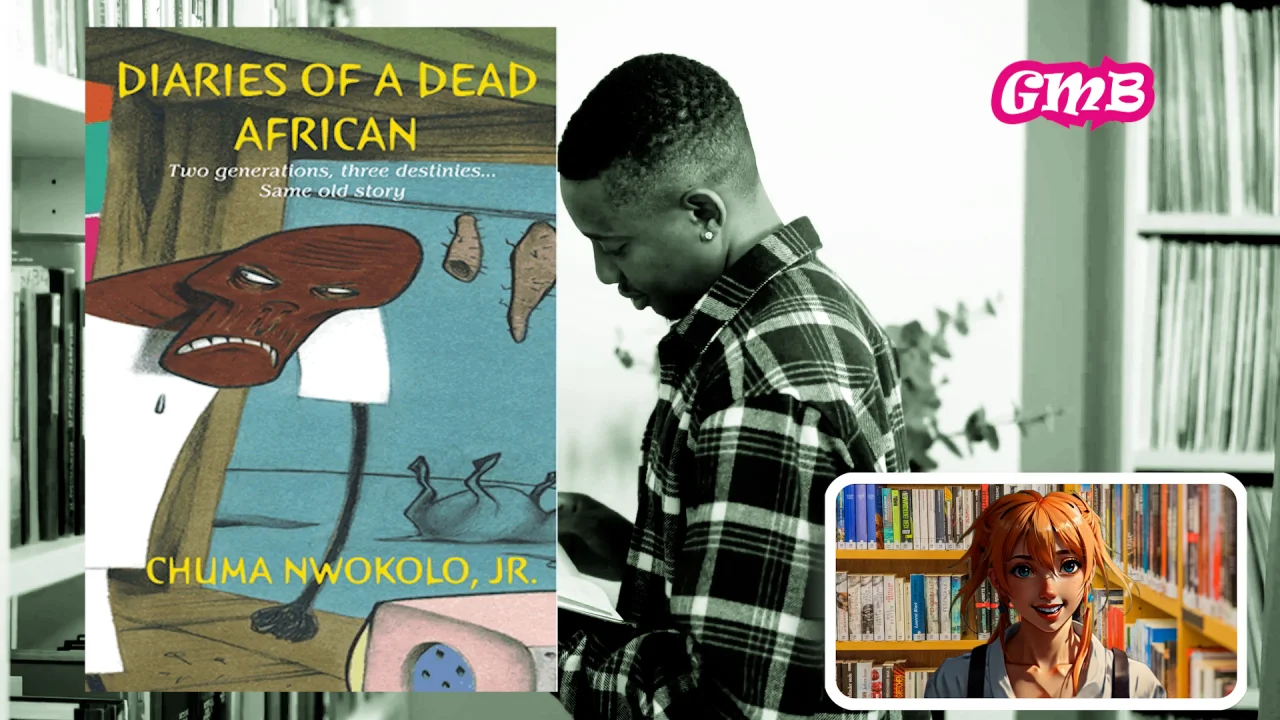
That’s where Diaries of a Dead African begins. And it doesn’t let go.
What Kind of Novel Is This?
This is a dark satirical literary novel about poverty, shame, and the quiet ways people break.
Tone: Dark, ironic, unsettlingly humorous
Pace: Moderate
Themes: Poverty, masculinity, power, survival, shame, corruption, identity
This book is for readers who:
-
Appreciate biting satire that says uncomfortable truths
-
Enjoy stories that feel raw, human, and unfiltered
This book is NOT for readers who:
-
Want light, uplifting fiction
-
Prefer clear heroes and neat endings
👉 The edition I read is available here:
https://amzn.to/4iOhXyM
Intro: A Story That Laughs at Your Pain
Written by Chuma Nwokolo, this novel feels like someone took tragedy, dressed it in humor, and then dared you to laugh.
And the strange thing is—you will.
Not because it’s funny in a comfortable way, but because it’s painfully true.
The story unfolds through three interconnected diaries, each voice carrying its own flavor of despair. It’s intimate. It’s chaotic. And at times, it feels less like fiction and more like overhearing life at its most unfiltered.
Summary (No Spoilers): Three Lives, One Inheritance
At the center of the story is Meme—a man abandoned by his wife, left with almost nothing except two yams and a growing sense of humiliation.
His world is governed by scarcity. Food is rare. Dignity is even rarer. And every attempt to survive seems to collapse under the weight of bad luck—or something darker.
After him comes Calamatus, his son. A man who has everything his father didn’t—money, status, success—but carries a different kind of emptiness. The kind that can’t be filled, no matter how much you accumulate.
Then there’s Abel. The outsider within his own family. A man trying to rebuild himself, caught between past mistakes and present dangers.
Three men. Three different lives. One shared inheritance: a quiet, creeping despair that refuses to let go.
Analysis & Review: The Brutal Comedy of Being Human
What struck me most about this book is how it weaponizes humor.
You’ll find yourself laughing—and then immediately questioning why.
Because beneath the wit is something deeply uncomfortable: the absurdity of poverty. The way life can corner someone so completely that their choices stop feeling like choices at all.
Meme’s story feels like watching pressure build with no release. His hunger isn’t just physical—it’s existential. He becomes a symbol of what happens when a person is pushed beyond dignity.
Then comes Calamatus, who flips the narrative. He has money. Power. Influence. But his struggle reveals something unsettling: poverty isn’t the only thing that can destroy a man. Shame, especially tied to identity and masculinity, can be just as lethal.
And then Abel.
Abel is where the novel breathes—barely. He doesn’t escape suffering, but he responds differently. Where the others collapse inward, Abel hesitates. Questions. Endures.
That difference matters.
What Worked
The structure—three diaries—is brilliant. It allows you to experience the same world from different psychological angles. Each voice feels distinct, authentic, and painfully real.
The satire is sharp. Chuma Nwokolo doesn’t soften anything. He leans into the discomfort and lets it sit there, forcing you to engage with it.
And the themes? They linger.
This is a book about how society treats the poor—not with cruelty alone, but with indifference. And sometimes, indifference cuts deeper.
What Didn’t Work
At times, the bleakness feels overwhelming. There’s very little emotional relief, which can make the reading experience heavy.
Also, if you’re someone who needs clear resolutions or moral clarity, this book won’t give you that. It resists neat conclusions.
But maybe that’s the point.
Why This Story Matters
This isn’t just a story about three men.
It’s about systems. About how poverty isn’t just lack of money—it’s a slow erosion of identity. Of options. Of hope.
It asks uncomfortable questions:
-
What does dignity mean when survival is at stake?
-
Is success really freedom, or just a different kind of prison?
-
And when everything is stacked against you… what does “choice” even look like?
What stayed with me wasn’t any single event—it was the feeling that these characters didn’t fail life.
Life failed them first.
And in today’s world, that idea feels a little too real.
Who This Book Is Perfect For
You’ll enjoy this novel if:
-
You like books that challenge your worldview
-
You enjoy dark humor with philosophical depth
-
You read fiction to reflect, not just escape
You might struggle with this book if:
-
You prefer fast-paced, plot-driven stories
-
You need characters to be clearly good or bad
-
You dislike emotionally heavy narratives
👉 If this sounds like your kind of book, you can get it here:
https://amzn.to/4iOhXyM
My Honest Verdict
This isn’t a comfortable novel.
But it’s an honest one.
What worked for me was its refusal to lie—to dress up poverty, to romanticize struggle, or to pretend that survival always comes with meaning.
What didn’t work, at times, was how relentless it felt. There’s no escape hatch here. No soft landing.
And yet, I’d still recommend it.
Because books like this don’t just entertain—they confront.
Final Thoughts & Recommendation
I keep thinking about those two yams.
Not because they’re important in themselves, but because of what they represent: the thin line between holding on and letting go.
Diaries of a Dead African isn’t a story you read and forget. It lingers. It unsettles. It forces you to sit with questions that don’t have easy answers.
If you’re the kind of reader who values truth over comfort, this book is worth your time.
👉 If you’d like to read the same edition I did, here’s the link:
https://amzn.to/4iOhXyM