 English
 French
 German
 Russian
 中文
中文

When Telling the Truth Makes You an Enemy: A Review of An Enemy of the People
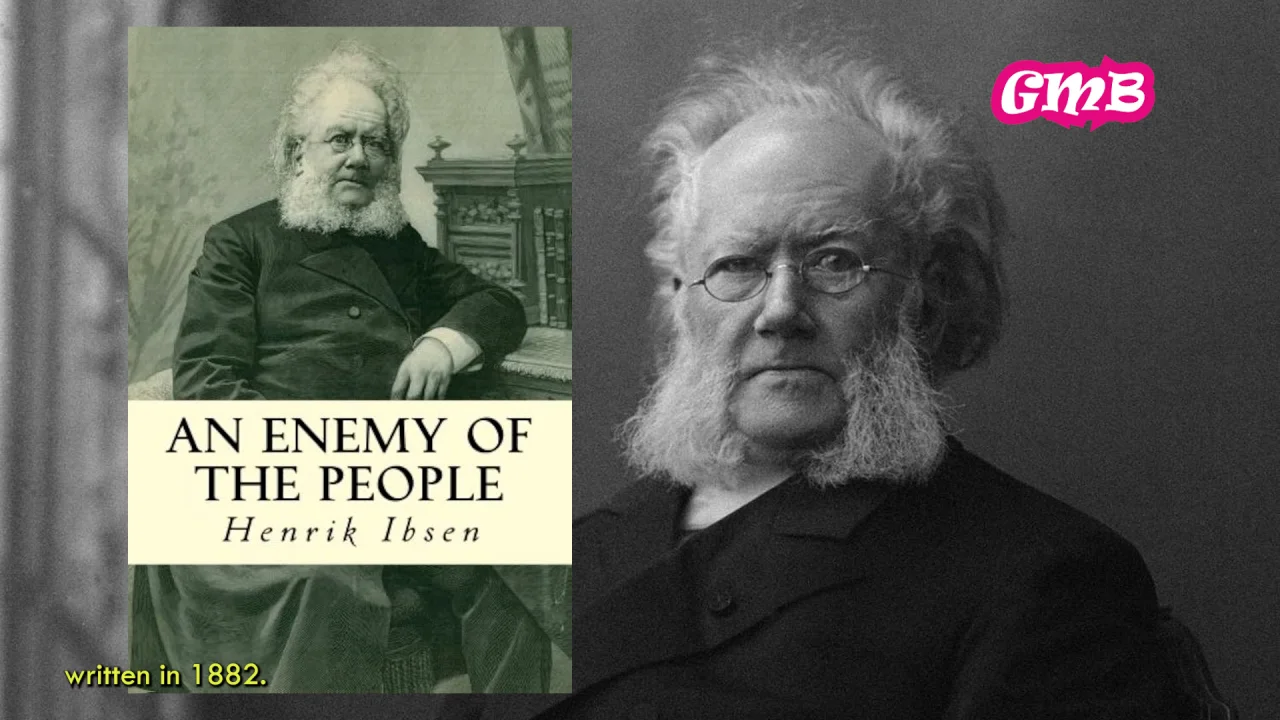
Imagine discovering that the water your entire town drinks is making people sick—seriously ill. You do the responsible thing, sound the alarm, and… everyone turns on you. Your friends desert you, your town newspaper brands you a traitor, and even your own brother seems to think you’re the problem. Nightmare material, right? That’s exactly the moral and social dilemma at the heart of Henrik Ibsen’s An Enemy of the People, a play that, more than a century after its writing, still cuts painfully close to reality.
If you’ve ever felt the frustration of watching society ignore inconvenient truths, this story will hit you like a splash of poisoned water—shocking, unavoidable, and impossible to forget.
👉 You can find this edition of An Enemy of the People here: Amazon Link
A Tale of Power, Truth, and Contamination
Set in a quaint Norwegian coastal town, the play begins amid seagulls, fjords, and—of course—municipal baths. Enter the Stockmann brothers:
-
Peter Stockmann – the town’s overbearing Mayor, Chief Constable, and Chairman of the Baths Committee (plus a laundry list of other titles). He’s the politician we all recognize: obsessed with reputation, devoted to authority, and more concerned with appearances than actual solutions.
-
Dr. Thomas Stockmann – the earnest, morally steadfast Medical Officer of the Baths. Stubborn, principled, and unwilling to compromise, Thomas embodies the individual who dares to speak truth to power, even when it isolates him.
When Thomas discovers that the town’s municipal baths—Peter’s pride and joy—are contaminated with decomposing organic matter, he expects a rational response. The contamination is serious, potentially deadly, yet Peter is more concerned with his image than public health. The result is a tense battle between truth and politics, integrity and self-interest, individual courage and societal complacency.
What makes Ibsen’s drama unforgettable isn’t just the plot, but the way he exposes human nature: those in power who fear accountability, former allies who abandon principle for comfort, and a majority of citizens who blindly follow authority, even when it harms them.
Why Ibsen Still Resonates Today
Henrik Ibsen, often called the father of modern drama, wrote An Enemy of the People in 1882, but its critique of society feels eerily contemporary. Through Thomas Stockmann, Ibsen interrogates the mechanics of truth, democracy, and human behavior. Some of the central themes include:
-
The Corruption of Power: Peter Stockmann demonstrates how politicians often prioritize image over integrity, bureaucracy over urgency, and self-interest over public good.
-
Moral Courage of the Individual: Thomas stands by his discovery, showing that standing up for truth is rarely popular—and always costly.
-
The Danger of the Compact Majority: Ibsen highlights the perils of mass conformity, where the majority blindly follows authority, often against their own interests.
-
Stale Truths Versus Progress: Societies that accept truths without question risk turning those truths into lies over time.
-
The Toxicity of Party Politics: Parties, Ibsen argues, often suppress independent thought in favor of maintaining their own power.
Thomas’ declaration, “The strongest man in the world is he who stands most alone,” resonates centuries later, echoing the experiences of whistleblowers and truth-tellers across history. Whether it’s Edward Snowden, Chelsea Manning, or Julian Assange, those who challenge the status quo are frequently branded enemies of the people—just like Thomas.
Subtle Humor Amid Tragedy
One of Ibsen’s remarkable achievements is weaving humor into such a sobering narrative. Peter’s absurd obsession with reputation, Aslaksen’s cowardice, and the townspeople’s flip-flopping expose human folly in a way that makes the play both entertaining and piercingly honest. These moments of levity amplify the tragedy, reminding us that societal blindness is often as ridiculous as it is dangerous.
Who Should Read An Enemy of the People
You’ll love this play if you:
-
Enjoy stories that challenge social norms and political structures.
-
Appreciate literary works that explore moral courage and human psychology.
-
Want thought-provoking drama rather than fast-paced entertainment.
You might struggle with this play if you:
-
Prefer clear-cut heroes and villains.
-
Need a story with tidy resolutions and happy endings.
-
Dislike reflective or philosophical narratives.
If that sounds like your kind of book, grab your copy here: Amazon Link
Final Thoughts
An Enemy of the People isn’t just about contaminated water—it’s a profound social commentary on human nature, political power, and the dangers of majority complacency. Reading it is like stepping into a hall of mirrors: uncomfortable, illuminating, and impossible to ignore. Ibsen reminds us that moral courage comes with a cost, that the majority is often wrong, and that progress requires independent thought and bravery.
If you want a work that makes you question society, politics, and even your own assumptions about truth and consensus, this is a must-read. Pair it with George Orwell’s Nineteen Eighty-Four for a masterclass in understanding how societies manipulate, conform, and survive.
👉 Check out this edition of An Enemy of the People here: Amazon Link