 English
 French
 German
 Russian
 中文
中文

When Success Isn’t Enough: Family Pressure, Tomatoes, and Jude Dibia’s A Life in Full
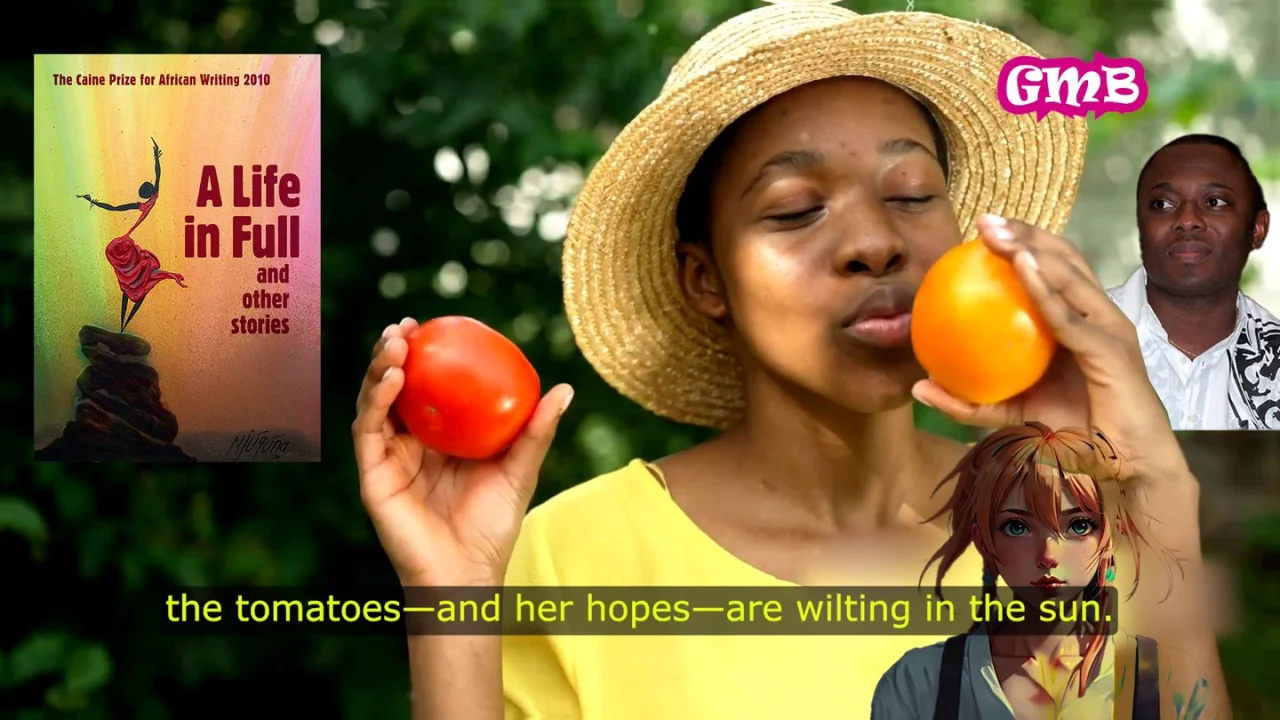
There’s a particular kind of peace that comes with adult independence. A good job. A comfortable home. Tea in a quiet living room. Life feels… complete.
Until someone—usually your mother—leans in and asks, “So when are you getting married?”
That was the feeling that stayed with me while reading Jude Dibia’s A Life in Full. Not anger. Not rebellion. Just that familiar, slightly exhausting tension between living well for yourself and living well for your family. The kind of tension that doesn’t explode—it simmers.
And in this story, it simmers beside a tomato garden that refuses to grow.
What Kind of Story Is A Life in Full?
A Life in Full is a quiet, reflective literary story about success, fulfillment, and generational expectations.
-
Tone: Subtle, observant, gently ironic
-
Pace: Slow and deliberate
-
Themes: Marriage pressure, parent–child relationships, personal space, modern African identity
This story is for readers who:
-
Enjoy fiction that mirrors real social tensions
-
Have felt the weight of family expectations
-
Like stories that say more with silence than confrontation
This story is not for readers who:
-
Want fast-paced plots or dramatic twists
-
Prefer clear heroes and villains
-
Need tidy resolutions
👉 The edition I read is available here:
Amazon link: A Life in Full by Jude Dibia
A Glimpse of the Story (No Spoilers)
Victor is successful, educated, and comfortably single, living in Lagos with his mother, Mabel. To him, life is fine. To Mabel, life is unfinished.
She believes a life without marriage—and especially without children—is an incomplete one. Her worry manifests in small ways: sighs, silences, prayers, and a stubborn tomato garden she tends obsessively, as though coaxing it to grow might somehow coax grandchildren into existence.
Victor doesn’t argue. He doesn’t rebel. He simply lives.
And that quiet resistance is where the story’s tension lives.
Why This Story Matters (The Emotional Core)
What A Life in Full really asks is uncomfortable:
Who gets to define a “complete” life?
Mabel represents a generation shaped by communal validation—marriage, children, legacy. Victor belongs to a quieter generation, one learning to value personal space, emotional autonomy, and self-definition. He isn’t rejecting tradition outright. He just isn’t rearranging his life to satisfy it.
That’s what makes the story powerful. There’s no shouting. No dramatic showdown. Just two people who love each other deeply—and still don’t understand each other.
And that tomato garden? It’s the perfect metaphor. You can water, pray, hope, and worry—but growth refuses to be forced.
This story lingers because it mirrors real homes across Africa today. Degrees are celebrated, careers applauded… and then comes the pause. “But when will you settle down?”
Jude Dibia and the Courage to Ask Hard Questions
Jude Dibia has always been interested in people who live just outside society’s comfort zones.
His debut novel, Walking with Shadows, was groundbreaking in Nigerian literature for centering a man with unconventional romantic desires—at a time when that kind of story was rarely told. You can find it here if you’re curious:
👉 Walking with Shadows on Amazon
He followed that with Unbridled and Blackbird, both of which explore identity, love, and the quiet rebellion of being oneself in rigid social spaces.
👉 Unbridled by Jude Dibia
👉 Blackbird by Jude Dibia
A Life in Full fits neatly into this body of work. It’s restrained, observant, and deeply human. Dibia doesn’t judge his characters. He lets them exist—and that’s often more powerful.
My Honest Verdict
This isn’t a loud story. It doesn’t try to shock you.
But it will sit with you.
What worked:
-
The subtle emotional tension
-
The symbolism (those tomatoes are doing heavy lifting)
-
The realistic portrayal of African family pressure
What didn’t:
-
Readers looking for clear answers may feel unsettled
-
The quiet pacing won’t work for everyone
Still, I recommend it—especially if you enjoy fiction that reflects life rather than escapes it.
Final Thoughts
A Life in Full reminds us that fulfillment is deeply personal—but rarely treated that way. It asks us to consider whether happiness should be measured by tradition, expectation, or inner peace.
It also gently suggests that sometimes love shows itself not in agreement, but in coexistence.
If you’ve ever felt successful and still somehow lacking—according to someone else—this story will feel uncomfortably familiar.
👉 If you’d like to read the same edition I did, here’s the link again:
A Life in Full by Jude Dibia on Amazon
And maybe—just maybe—read it before your next family gathering.