 English
 French
 German
 Russian
 中文
中文

He Tried to Outsmart Fate — and Walked Straight Into It
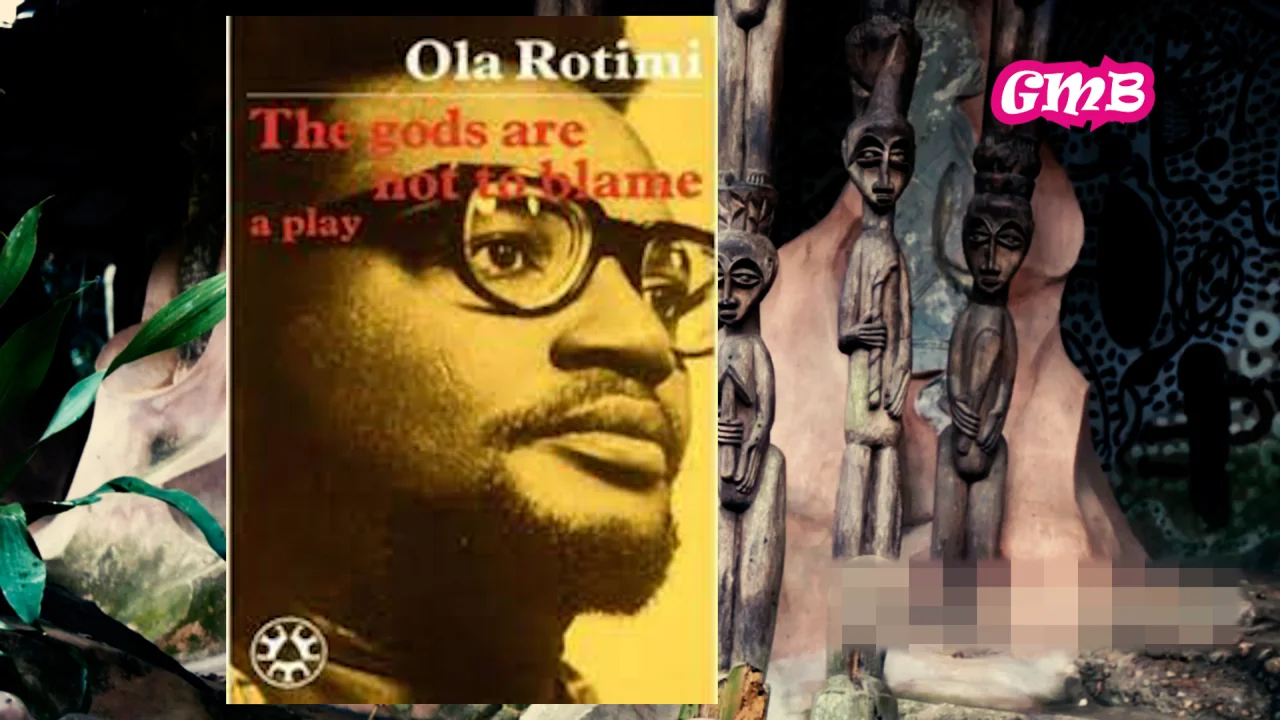
There’s something unsettling about watching a man curse his enemy… only to slowly realize he’s cursing himself.
When I started reading this play, I thought I knew exactly where it was going. I mean, the prophecy is announced in the first few pages. There’s no mystery about the outcome. A child will kill his father and marry his mother. That’s not subtle.
But what caught me off guard wasn’t the prophecy.
It was the pride.
It was the anger.
It was how confidently Odewale stood before his people and swore the most brutal punishment imaginable for a murderer — not knowing he was describing his own fate.
And that’s when the story stopped being a tragedy on paper and started feeling uncomfortably human.
What Kind of Novel Is This?
This is a tragic drama about destiny, pride, and the fragile illusion of control.
Tone: intense, reflective, dramatic
Pace: fast (it’s a short play, but every scene hits)
Themes: fate, free will, identity, power, pride, justice
This book is for readers who:
-
Enjoy classical tragedy with cultural depth
-
Love stories that wrestle with philosophical questions
-
Appreciate rich dialogue filled with proverbs and rhythm
This book is NOT for readers who:
-
Need light, feel-good endings
-
Prefer subtle conflict over dramatic confrontation
-
Dislike theatrical dialogue
👉 The edition I read is available here:
The Gods Are Not to Blame by Ola Rotimi
Why This Story Matters (Emotional Core)
At first glance, this is just a Nigerian adaptation of Oedipus Rex.
But that’s too simple.
What Rotimi does is take an ancient Greek tragedy and root it firmly in Yoruba cosmology, Nigerian politics, and African communal life. The gods are invoked, yes — Ogun, Ifa, Orunmila — but the real tension isn’t just divine will.
It’s human temperament.
Baba Fakunle claims Odewale’s downfall comes from his hot temper. And honestly? That argument holds weight. Odewale is brave, decisive, passionate — the kind of leader you’d cheer for in battle. But those same qualities become destructive when mixed with insecurity and pride.
And that’s what stayed with me after I finished.
Not the prophecy.
Not even the shocking revelation.
But the question:
If Odewale had paused — just once — before reacting, would anything have changed?
Was he doomed by the gods?
Or by his refusal to listen?
The play refuses to answer that cleanly. And maybe that’s the point. Maybe Rotimi is telling us that destiny may open the door — but we still choose whether to walk through it.
In a world where we blame systems, governments, fate, or “the way things are,” this play quietly asks:
What role did you play?
That question feels painfully relevant.
A Glimpse of the Story (No Spoilers)
A royal child is born under a dark prophecy: he will kill his father and marry his mother.
The parents attempt to prevent fate by abandoning him.
Years later, a powerful king rules a troubled land plagued by sickness and death. An oracle declares that the curse afflicting the kingdom is tied to an unsolved murder from the past.
The king swears to uncover the truth.
The deeper he digs, the closer he gets — not just to a criminal, but to himself.
Who This Book Is Perfect For
You’ll enjoy this novel if:
-
You like stories that explore fate vs. free will
-
You enjoy dialogue rich with proverbs and cultural rhythm
-
You read fiction to think, not just to escape
You might struggle with this book if:
-
You prefer fast-paced action over philosophical tension
-
You need clear heroes and villains
-
You dislike tragic endings
👉 If this sounds like your kind of book, you can find it here:
The Gods Are Not to Blame
My Honest Verdict
This isn’t a perfect play — but it’s a powerful one.
What worked:
-
The dialogue. It flows with Yoruba cadence and proverbs that feel authentic and grounded.
-
The pacing. At just over 70 pages, it wastes no time.
-
The emotional build-up. Even if you know the original myth, the tension still lands.
What didn’t work as strongly:
-
Some confrontations feel abrupt, almost explosive without warning.
-
If you’re unfamiliar with theatrical style, the dramatic speeches might feel heightened.
But here’s the thing — the intensity is intentional. This is tragedy in its purest form.
And I still absolutely recommend it.
Because few works manage to blend classical structure with African cultural identity so seamlessly.
Final Thoughts & Recommendation
When I closed this play, I didn’t feel shocked.
I felt reflective.
Odewale’s story isn’t just about a prophecy fulfilled. It’s about a man who believed he was fighting injustice — while unknowingly fueling it. It’s about how quickly pride can turn conviction into destruction.
If you’ve never read African drama before, this is an excellent place to start. It’s short, layered, and deeply thought-provoking.
And if you’ve read Oedipus Rex, this version adds a cultural richness that feels fresh and alive.
Sometimes it’s not the gods.
Sometimes it’s us.
👉 If you’d like to read the same edition I did, here’s the link:
The Gods Are Not to Blame
Similar Books You Might Like
-
Death and the King's Horseman by Wole Soyinka
-
Oedipus Rex by Sophocles
Best Format to Read This Book
Paperback works beautifully because you can easily flip back to powerful speeches and underline those unforgettable proverbs. It’s short enough to read in one sitting — but layered enough to revisit.
And trust me, you’ll want to revisit it.