 English
 French
 German
 Russian
 中文
中文

When the “Rescue Boat” Is a Lie
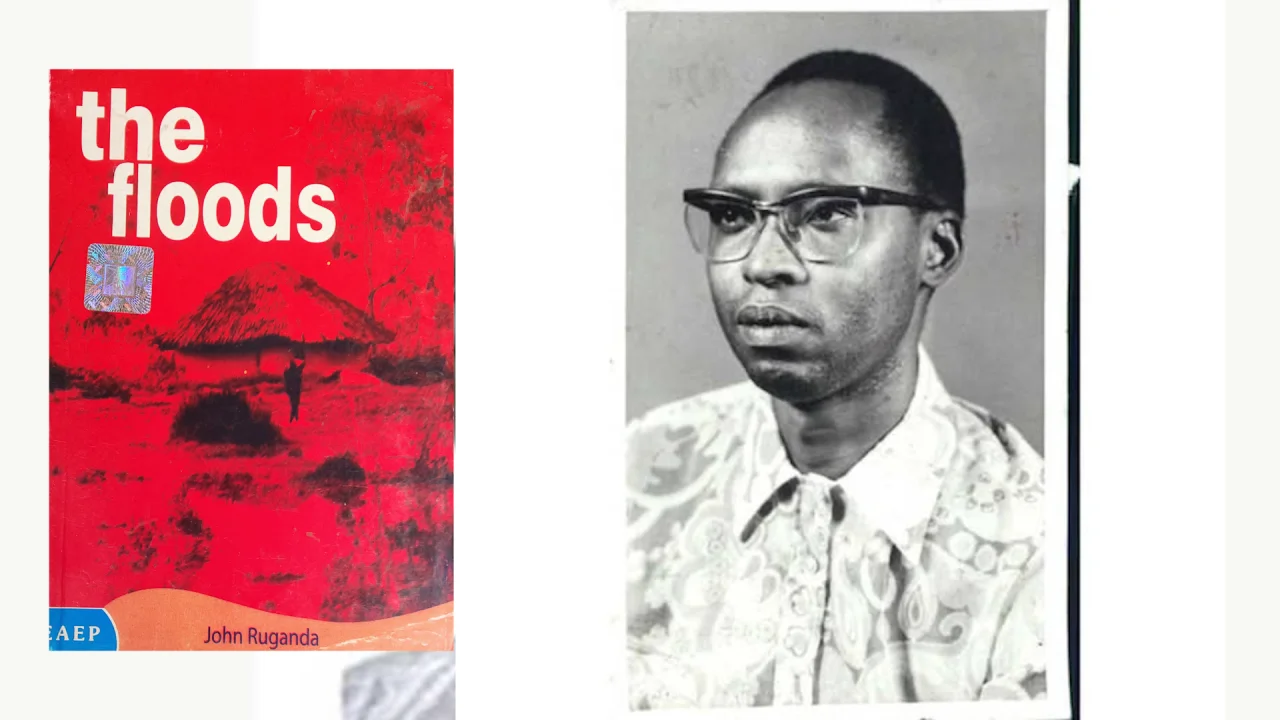
A chilling, darkly funny reckoning with power, violence, and hypocrisy
There’s a moment in The Floods that made me stop reading and just stare at the page.
Imagine being told you have three hours before catastrophic floods wipe out your island. Three hours to abandon your animals, your home, your entire life. And the only thing standing between you and “safety” is a screaming headman with a rescue boat and an attitude problem.
That’s the kind of opening that doesn’t just pull you in — it unsettles you. Because from the very beginning, John Ruganda makes it clear: this is not a story about floods. It’s about lies. And what happens when people in power decide who gets to live.
What Kind of Play Is The Floods?
The Floods is a dark political drama disguised as a myth-infused survival story.
It’s tense, confrontational, and deeply unsettling.
-
Tone: Dark, biting, often grimly humorous
-
Pace: Slow at first, then relentlessly tightening
-
Core themes:
-
Abuse of power
-
State violence
-
Hypocrisy
-
Class privilege
-
Moral collapse under dictatorship
-
This play is for readers who enjoy:
-
African political literature that doesn’t pull punches
-
Stories where dialogue cuts deeper than action
-
Characters who feel frighteningly real
This play is not for readers who:
-
Want comfort or easy resolutions
-
Prefer light, fast-paced plots
-
Dislike heavy political themes
👉 The edition I read is available here:
The Floods by John Ruganda
A Glimpse of the Story (No Spoilers)
The play is set on an imaginary island in Lake Victoria, where villagers are ordered to board a government “rescue boat” ahead of an impending flood.
One old fisherman, Kyeyune, refuses.
He insists the boat isn’t meant to save anyone — it’s meant to erase them.
As tensions rise, we meet Bwogo, a state bureaucrat and executioner wrapped in official titles, and Nankya, his former lover — a sharp-tongued intellectual who knows far too much about the state’s crimes.
From there, the play becomes a confrontation:
between truth and power,
between memory and denial,
between those who kill for the state and those who refuse to stay silent.
Why This Story Matters
What stayed with me long after finishing The Floods is how accurately it captures the psychology of authoritarian power.
Bwogo isn’t a cartoon villain. He’s something worse — believable. He’s arrogant, insecure, greedy, and utterly convinced that proximity to power makes him untouchable. He orchestrates deaths without hesitation, yet loses his mind when Nankya reveals she once had an abortion. The hypocrisy is so blatant it’s almost funny — and that’s exactly Ruganda’s point.
Nankya, on the other hand, is the soul of this play.
She refuses to shrink.
She refuses to beg.
She weaponizes language itself.
When she introduces herself as “Kill-me-quick,” describes her tribe as “African, black like soot,” and calls her job “counting corpses,” Ruganda delivers one of the most devastating critiques of state violence in African drama.
This play exists to ask an uncomfortable question:
What happens when loyalty to power becomes more important than humanity?
The Characters That Make This Play Unforgettable
Nankya
Easily one of my favorite female characters in African literature. She’s intelligent, defiant, emotionally scarred, and painfully honest. She doesn’t represent purity — she represents resistance.
Bwogo
The perfect embodiment of moral rot. A man who serves violence faithfully, only to discover the state has no loyalty to him in return.
Kyeyune
The conscience of the play. A witness. A reminder that memory itself is dangerous under dictatorship.
👉 If character-driven political drama is your thing, you’ll want to read this:
The Floods by John Ruganda
What Worked for Me
-
Razor-sharp dialogue that feels dangerous
-
Nankya’s character arc — bold, painful, unforgettable
-
The blending of myth (Nalubale) with political reality
-
The brutal exposure of state hypocrisy
What Didn’t Quite Work
The opening monologues — especially Kyeyune’s — move slowly. At first, they feel heavy. But once the story gains momentum, everything clicks into place.
My Honest Verdict
This isn’t a comfortable play — but it’s an essential one.
The Floods doesn’t preach. It exposes. It laughs darkly at power, then shows you the bodies hidden beneath it. The downfall of Bwogo is not just poetic justice — it’s a warning.
By the end, you’re left asking yourself:
Was any of it worth it?
Rating: ★★★★☆ (4/5)
👉 If this kind of politically charged African drama speaks to you, here’s the edition I recommend:
The Floods by John Ruganda
Who I Recommend This Play To
You’ll love The Floods if:
-
You enjoy African literature that confronts power directly
-
You like plays with sharp, intellectual dialogue
-
You read fiction to think, not just to escape
You might struggle with it if:
-
You prefer fast-paced action
-
You need clear heroes and villains
-
You dislike open, symbolic endings
About the Author: John Ruganda
John Ruganda (1941–2007) was one of East Africa’s most important playwrights. His work relentlessly interrogated post-independence African dictatorships, exposing their violence, absurdity, and moral contradictions.
Plays like The Floods aren’t historical artifacts — they’re mirrors. And uncomfortably, they still reflect the present.
Final Thoughts
The Floods begins with a warning on the radio — and ends as a warning to the reader.
Next time someone tells you there’s a rescue boat waiting, maybe ask who built it… and who it’s really for.
👉 If you’d like to read the same edition I did, you can find it here:
The Floods by John Ruganda