 English
 French
 German
 Russian
 中文
中文

A Murder Mystery Narrated by a Lizard? Yes — And It’s Brilliantly Unsettling
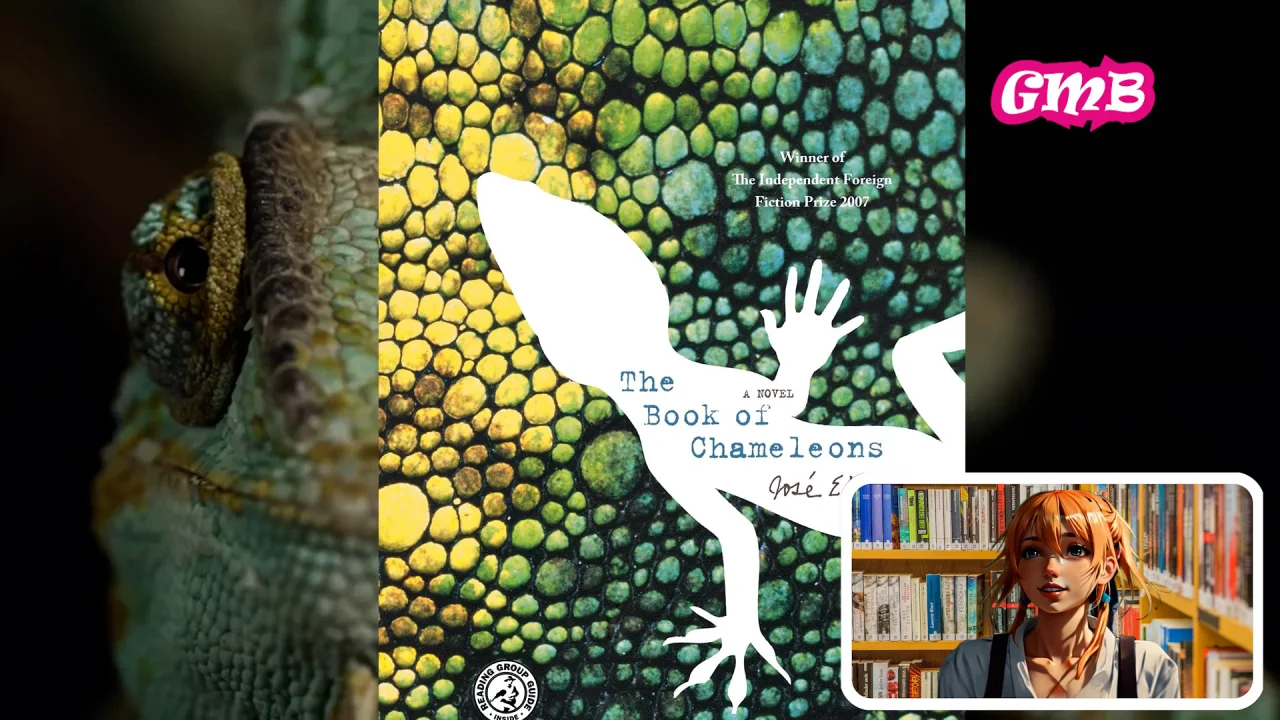
Have you ever heard a murder story narrated by a wall gecko?
Not a detective. Not a retired soldier with trauma and a whiskey habit. A literal lizard. Sitting quietly on a wall. Watching. Judging. Remembering.
And not just any lizard — one who calmly informs you that he is the reincarnation of Jorge Luis Borges.
When I started this novel, I didn’t know whether to laugh, underline every sentence, or question my own sanity. Somewhere between the philosophical musings and the quiet absurdity, I realized something unsettling: this wasn’t just a quirky narrative trick. It was a warning.
Because when a gecko starts questioning the nature of truth, you should probably listen.
What Kind of Novel Is This?
This is a philosophical literary novel disguised as a murder mystery — but really, it’s about memory, identity, and the stories we tell to survive.
Tone: reflective, ironic, quietly subversive
Pace: moderate, occasionally meandering
Themes: reinvention, truth vs fiction, power, post-war identity, memory
This book is for readers who:
-
Love cerebral fiction that bends reality
-
Enjoy Borges, Calvino, or Murakami at their most philosophical
-
Don’t mind ambiguity — and maybe even crave it
This book is NOT for readers who:
-
Want a fast-paced, clue-driven murder mystery
-
Need clear resolutions and tidy answers
-
Prefer action over introspection
👉 The edition I read is available here:
The Book of Chameleons (Paperback)
Why This Story Matters (Emotional Core)
At first glance, The Book of Chameleons by José Eduardo Agualusa feels playful.
A gecko narrator. A man who sells fabricated pasts. A mysterious stranger requesting a brand-new identity. It sounds almost whimsical.
But underneath that surface is something sharp.
This novel is about a country trying to rewrite itself.
Set in post–civil war Angola, the story mirrors a nation emerging from ideological collapse. Marxism is gone. The war is technically over. But the past? The past lingers like humidity in the air.
Felix Ventura — an albino bibliophile who makes a living inventing noble ancestries for politicians and businessmen — is essentially a memory architect. He fabricates lineage, prints old photographs, constructs heroic genealogies. He gives people a more respectable yesterday so they can walk confidently into tomorrow.
And isn’t that what countries do too?
The novel forces you to ask uncomfortable questions:
If memory can be manufactured, what is history?
If identity is flexible, where does authenticity live?
If truth is ambiguous, does it even matter?
One line in particular stayed with me:
“Truth has a habit of being ambiguous too. If it were exact it wouldn’t be human… Nothing seems true that cannot also seem false.”
That sentence alone could carry the entire novel.
In an age of curated identities and performative narratives, this book feels disturbingly relevant. We don’t just rewrite Instagram captions. We rewrite our pasts — socially, politically, nationally.
And sometimes, we start believing them.
A Glimpse of the Story (Minimal, No Spoilers)
Felix Ventura lives quietly in Luanda, Angola. He sells new pasts to wealthy clients. His companion and observer? A thoughtful wall gecko named Eulálio.
One day, a stranger arrives.
He has money. No past he wants to keep. And a request: create me a history.
At the same time, a mysterious photographer named Angela Lúcia enters Felix’s life. Coincidence? The gecko doesn’t think so.
Beneath the surface lies a man returning to Angola not just for reinvention — but for revenge. Someone lied to him. Someone destroyed his family. And somewhere in this web of fabricated identities and buried truths, a murder quietly takes place.
It’s less about who did it and more about what it means.
Who This Book Is Perfect For
You’ll enjoy this novel if:
-
You like books that question reality
-
You enjoy stories where ideas matter more than plot twists
-
You read fiction to think, not just to escape
You might struggle with this book if:
-
You prefer tightly structured thrillers
-
You need the mystery to drive the story
-
You dislike open-ended philosophical reflections
👉 If this sounds like your kind of book, you can find it here:
The Book of Chameleons by José Eduardo Agualusa
My Honest Verdict
Let me be completely honest.
I loved the first two-thirds of this novel.
I was enchanted by the tone. The absurdity of a lizard narrator who shares dreams with his master. The quiet satire. The way Agualusa skewers literary clichés — even mocking the idea that African stories must revolve around trauma for Western consumption.
There’s a biting line about writers who build careers abroad “selling our national horrors to European readers.” That one stung — in a good way.
But here’s the catch.
The murder mystery angle? It barely registers.
The blurb promises a mystery. And technically, yes, there is one. But it arrives late and slips away almost unnoticed. If you’re expecting dramatic confrontations and shocking revelations, you’ll be disappointed.
This isn’t that kind of book.
It’s subtler. Quieter. More interested in philosophical resolution than narrative fireworks.
And yet — when the final pieces fall into place, there’s a quiet satisfaction. Not explosive. Not cinematic. Just… fitting.
This isn’t a perfect novel — but it’s an honest one.
And those are rare.
About the Author
José Eduardo Agualusa was born in 1960 in Huambo, Angola. He has lived in Angola, Portugal, and Brazil, and his work reflects a deep engagement with Lusophone literary traditions and global influences alike.
His writing is steeped in history but resistant to nostalgia. He interrogates Angola without exoticizing it. He blends magical realism with political commentary. And in this novel, he creates a narrative voice so unusual — a gecko claiming to be Borges reborn — that you forget how radical the ideas truly are.
Final Thoughts & Recommendation
When I closed this book, I didn’t feel the rush of finishing a thriller.
I felt… unsettled.
In the best way.
Because The Book of Chameleons doesn’t just tell a story — it asks whether stories themselves can ever be trusted. It suggests that identity is fluid, that memory is political, and that truth might be less solid than we’d like to believe.
If you go in expecting a murder mystery, you may walk away confused.
But if you go in ready for philosophical fiction wrapped in irony and subtlety, you might find yourself completely absorbed.
And somewhere along the way, you might start wondering:
If someone offered you a brand-new past — would you take it?
👉 If you’d like to read the same edition I did, here’s the link:
Get The Book of Chameleons here