 English
 French
 German
 Russian
 中文
中文

Twenty Stories, One Emotional Hangover
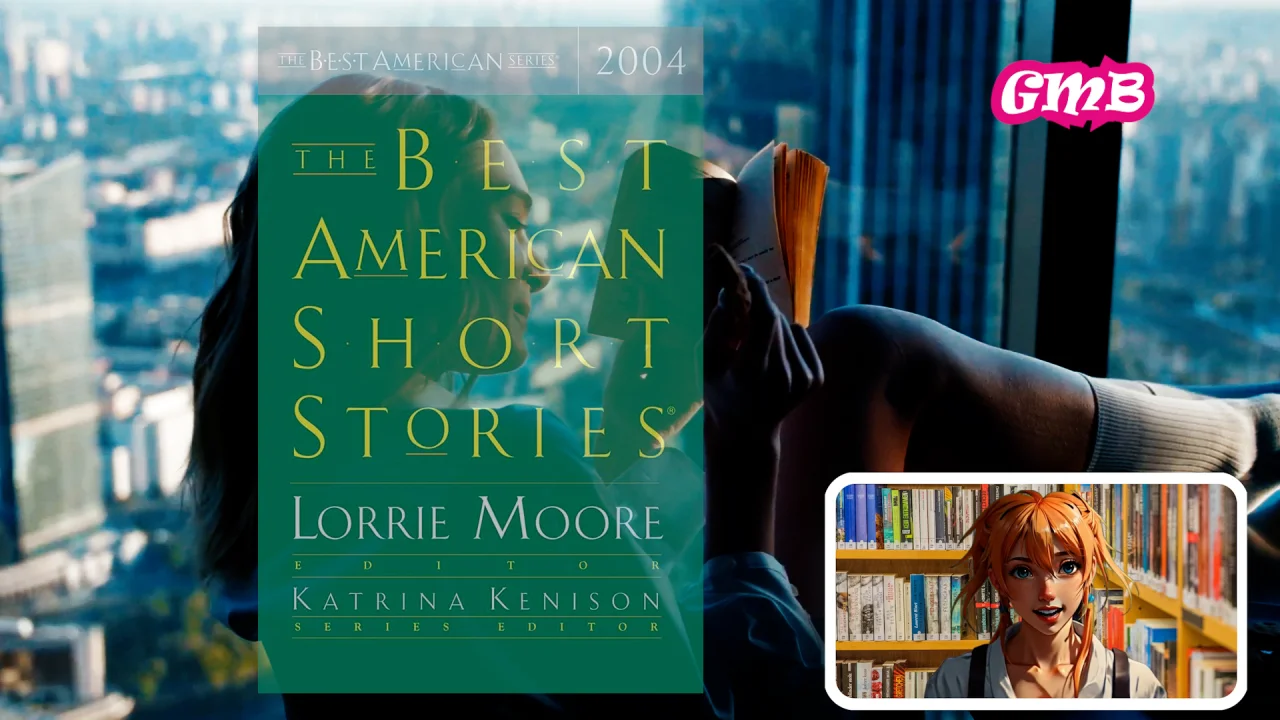
Somewhere around story number twelve, I stopped reading like a normal person.
I was no longer turning pages out of curiosity — I was bracing myself. Every new story felt like opening a door without knowing what was behind it. Sometimes it was brilliant. Sometimes confusing. Sometimes… a man winning a giant cat in a pub.
I picked up The Best American Short Stories 2004 thinking it would be light reading. Just a quick checkpoint in my “100 Shots of Shorts” challenge.
It was not light.
It was 462 pages of emotional whiplash, cultural deep dives, and stories that either pulled me in completely… or left me staring at the page like I’d just read someone’s 3 a.m. confession post.
What Kind of Book Is This?
This is a literary fiction anthology about identity, disconnection, and the strange, messy reality of being human in modern America.
Tone: reflective, ironic, sometimes disturbing
Pace: uneven — some stories fly, others demand patience
Themes: identity, loneliness, cultural tension, power, memory, survival
This book is for readers who:
-
Enjoy short stories that challenge and unsettle
-
Like literary fiction that prioritizes meaning over plot
This book is NOT for readers who:
-
Want fast, straightforward storytelling
-
Prefer clear resolutions and easy answers
👉 The edition I read is available here:
https://amzn.to/4pmtgjQ
A Quick, No-Spoiler Summary
This anthology, edited by Lorrie Moore, brings together 20 short stories from different American writers, each exploring a slice of life — often uncomfortable, often unresolved.
You’ll encounter:
-
A homeless man trying to reclaim his grandmother’s stolen heritage
-
A tutor-student relationship tangled in power and culture
-
A woman unable to leave a failing marriage
-
And yes… a man who wins a giant cat in a bar
There’s no single narrative — just fragments of lives, stitched together into a portrait of a society wrestling with itself.
Analysis & Review
The Strength: When It Hits, It Hits Hard
Some stories don’t just land — they linger.
Take Sherman Alexie’s What You Pawn I Will Redeem. It follows a homeless Native American man trying to reclaim his grandmother’s regalia. On the surface, it’s simple. But underneath, it’s about loss, dignity, and cultural memory.
That story stayed with me.
So did Alice Munro’s Runaway. It’s quiet, almost deceptively so — until you realize it’s dissecting something painfully real: the inability to leave what’s hurting you. No drama. No big climax. Just a slow, suffocating truth.
And then there are stories like Annie Proulx’s What Kind of Furniture Would Jesus Pick? — which quietly wrestles with tradition, modernity, and the stubbornness of people who refuse to let go.
These are the moments where the anthology feels worth it.
The Weakness: Not Every Story Is Meant for You
Let’s be honest — this collection is deeply American.
Not in the obvious way. Not flags and fireworks. But in its cultural specificity. Some stories feel so rooted in niche experiences that, as an outsider, you’re not just reading — you’re translating.
At times, it feels like being invited to a conversation where everyone already knows the context except you.
Some stories are dense. Others feel abstract to the point of detachment. A few read like fragments rather than complete experiences.
And yes — a couple genuinely made me pause and think: What did I just read?
The Strange Middle Ground
Then there are stories that exist purely to confuse or intrigue.
Like T. Coraghessan Boyle’s Tooth and Claw, where a man wins a giant cat. You keep waiting for the metaphor to reveal itself… and maybe it does, or maybe it doesn’t.
Or Stuart Dybek’s Breasts, which drifts into surreal, almost dreamlike territory.
These stories don’t always make sense — but they stick.
Why This Book Matters
This collection isn’t trying to entertain you in a conventional way.
It’s trying to show you something — about people, about culture, about the quiet chaos of everyday life.
What stayed with me wasn’t any single plot. It was the feeling that these stories are all fragments of a larger truth: that people are complicated, inconsistent, and often trapped in situations they don’t fully understand.
Reading this as someone outside the U.S. added another layer.
It felt like watching a family through a window — you see the tension, the love, the dysfunction… but you don’t always understand the history behind it.
And maybe that’s the point.
Who This Book Is Perfect For
You’ll enjoy this book if:
-
You like fiction that makes you think more than it entertains
-
You enjoy literary experimentation and emotional nuance
-
You don’t mind feeling slightly lost sometimes
You might struggle with this book if:
-
You prefer clear, fast-moving plots
-
You want every story to “make sense”
-
You dislike ambiguity or open-ended narratives
👉 If this sounds like your kind of book, you can get it here:
https://amzn.to/4pmtgjQ
My Honest Verdict
This isn’t a perfect collection — but it’s an honest one.
Some stories are brilliant. Others feel inaccessible. A few might completely lose you.
But the best ones? They stay.
They linger in that quiet way good literature does — not loud, not obvious, but persistent.
I didn’t love every story.
But I’m glad I read it.
Final Thoughts & Recommendation
I went into this anthology expecting something light — a quick literary detour.
What I got instead was something heavier. More demanding. More rewarding… in parts.
The Best American Short Stories 2004 is not a collection you rush through. It’s one you sit with — story by story, mood by mood.
If you’re the kind of reader who enjoys being challenged, occasionally confused, and sometimes deeply moved… this might be for you.
Just don’t do what I did and read it all in one sitting.
👉 If you’d like to read the same edition I did, here’s the link:
https://amzn.to/4pmtgjQ