 English
 French
 German
 Russian
 中文
中文

When a Romantic Safari Goes Wrong: A Thoughtful Look at Soul Safari by Alnoor Amlani
Sometimes a love story doesn’t end with a proposal under the stars.
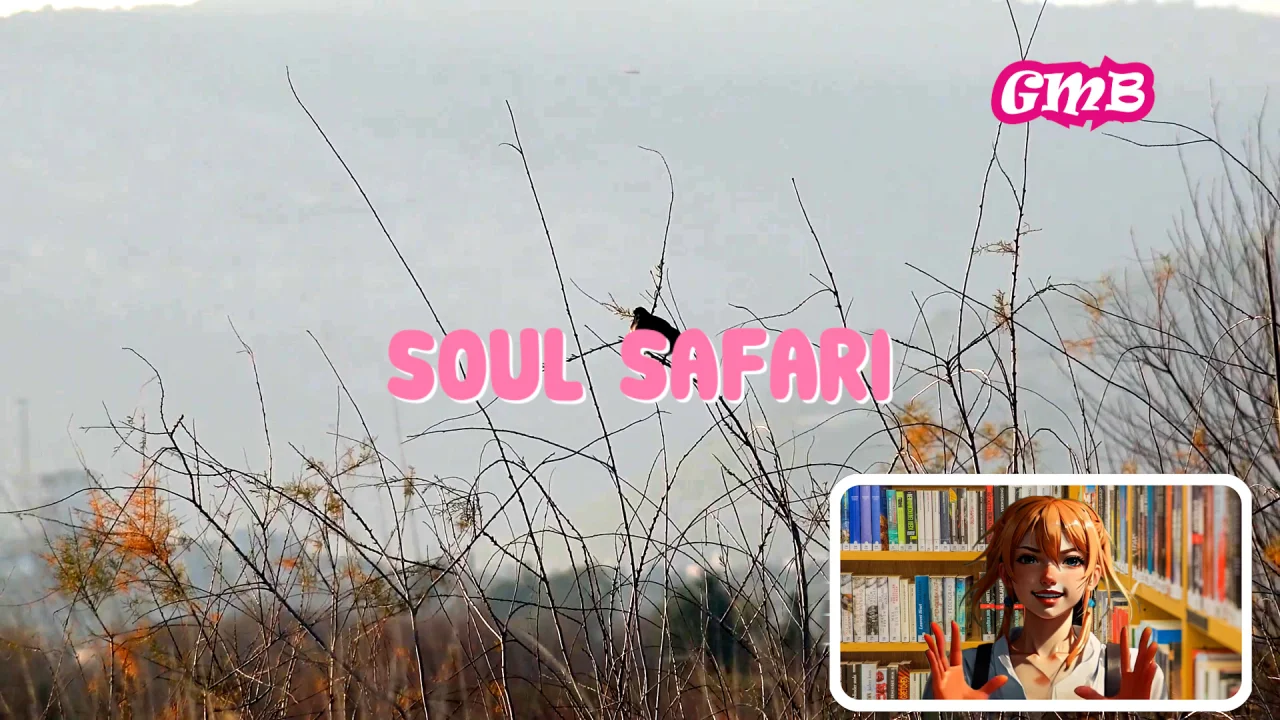
Sometimes it ends with a quiet smile… and a bird watching everything unfold.
That’s exactly the kind of story Alnoor Amlani gives us in Soul Safari—a short but emotionally layered tale about love, timing, and the painful realization that two people can care for each other deeply while still wanting completely different things.
At first glance, the premise feels almost cinematic: a romantic safari in the Kenyan wilderness, wild animals roaming nearby, golden sunsets, and a hopeful man ready to confess his love. It sounds like the perfect setting for a proposal.
Unfortunately for Adam, the woman he hopes to impress—Zara—has just survived a disastrous breakup that ended with police involvement.
Not exactly the emotional mood for romance.
And that tension—between hope and reality—is what makes Soul Safari such a compelling and quietly devastating story.
If you’d like to read the story yourself, you can find it in the anthology African Roar 2010, which includes Soul Safari alongside other powerful African short fiction.
👉 You can explore the collection here: https://amzn.to/3XIHHmk
Summary of Soul Safari (No Major Spoilers)
The story follows Adam and Zara, former high school classmates who reconnect years later.
Adam has always harbored feelings for Zara. In his mind, their relationship was something special—something unfinished. So when he learns that Zara’s recent relationship ended in chaos and heartbreak, he believes fate might finally be giving him his chance.
His plan?
A romantic safari in Kenya.
He imagines breathtaking landscapes, intimate conversations, and perhaps the moment when Zara realizes he’s the man she’s been looking for all along.
Zara agrees to the trip, but for very different reasons. She’s still emotionally bruised from her last relationship and seems more interested in distance, reflection, and focusing on her future. She’s studying film in London, her life moving in a direction that doesn’t quite include Adam.
When Adam finally confesses his love, Zara responds gently but firmly:
She loves him like a brother.
From that moment on, the safari becomes less romantic getaway and more emotional minefield. Adam begins spiraling into jealousy and insecurity, while Zara struggles to maintain the friendship without encouraging false hope.
Their conversations become tense. Silence stretches between them. Every interaction with other people sparks Adam’s anxiety.
And throughout it all, an oddly persistent bulbul bird appears again and again—almost like a silent witness to their unraveling relationship.
What begins as a hopeful romantic adventure slowly turns into a story about emotional honesty, disappointment, and the complicated space between love and friendship.
Analysis & Review: A Love Story About Timing
What makes Soul Safari so memorable is that it refuses to follow the typical romantic formula.
There’s no grand gesture that suddenly melts Zara’s heart.
There’s no triumphant moment where Adam “wins” the girl.
Instead, the story explores something much more realistic: mismatched emotional timing.
Adam is in love with the idea of Zara. He has spent years nurturing an image of her in his mind—one that fits perfectly with his hopes for the future.
But the real Zara is different.
She’s recovering from trauma.
She’s focused on her career.
And she’s simply not ready to step into another relationship.
This disconnect is where the story draws most of its emotional power.
Adam’s feelings are genuine, but they’re also deeply self-centered. He wants Zara to feel the same way he does, and he struggles to accept that she doesn’t.
Zara, on the other hand, represents emotional clarity. She doesn’t mock Adam’s feelings or manipulate him. She tells him the truth—even though she knows it will hurt.
And that honesty is refreshing.
In many love stories, rejection is framed as cruelty. Here, it’s portrayed as necessary compassion.
Symbolism: The Curious Case of the Bulbul
One of the most charming elements in the story is the recurring appearance of a bulbul bird.
At one point, the bird lands on the car’s side mirror and seems fascinated by its reflection. Zara wonders aloud whether it realizes it’s looking at itself.
Adam jokes that maybe the bird thinks it has found a girlfriend.
It’s a small moment, but it quietly reflects the entire story.
Like the bird staring at its reflection, Adam may actually be in love with his own idea of Zara, rather than the real person sitting beside him.
The bulbul becomes a subtle symbol of misunderstanding, projection, and self-reflection.
And by the end of the story—when the bird appears again—it almost feels like nature gently reminding us that humans often complicate love far more than necessary.
What Soul Safari Does Well
1. Emotional Realism
The story captures something many readers will recognize: loving someone who simply isn’t in the same place emotionally.
It’s awkward, painful, and often confusing.
Amlani writes these moments with sensitivity rather than melodrama.
2. Quiet, Nuanced Characters
Neither Adam nor Zara is portrayed as a villain.
Adam is misguided but sympathetic.
Zara is firm but compassionate.
Their dynamic feels believable, which makes the story resonate long after it ends.
3. Subtle Symbolism
The bulbul bird and the safari setting work beautifully as metaphors.
The wild landscape mirrors Adam’s growing emotional turbulence, while the bird adds a layer of quiet reflection to the story.
Where the Story Might Frustrate Some Readers
Because Soul Safari is a quiet, character-driven story, readers expecting dramatic plot twists or action might find it slow.
The story thrives on small emotional shifts rather than big narrative events.
Some readers may also find Adam’s obsession uncomfortable—though that discomfort is clearly intentional.
About the Author: Alnoor Amlani
Alnoor Amlani is a third-generation Kenyan writer of Indian descent based in Nairobi.
Before entering the world of fiction, he spent years working as a management consultant across East Africa and writing opinion pieces and articles.
Soul Safari, published in the Caine Prize for African Writing anthology, marked his early exploration into creative fiction.
His writing stands out for its emotional intelligence, cultural nuance, and understated storytelling—qualities that make this short story surprisingly powerful.
You can read Soul Safari in the collection African Roar 2010, available here:
👉 https://amzn.to/3XIHHmk
Final Thoughts: A Love Story Without Illusions
What makes Soul Safari memorable isn’t the safari itself.
It’s the emotional honesty.
This is a story about realizing that love alone isn’t always enough. Sometimes two people care deeply for each other, but their lives—and their hearts—are simply moving in different directions.
Adam leaves the safari disappointed but wiser.
Zara leaves with her boundaries intact.
And somewhere nearby, a bulbul bird watches it all unfold.
It’s not a fairy tale ending.
But it’s a human one.
Should You Read Soul Safari?
You’ll likely enjoy this story if you appreciate:
-
Character-driven fiction
-
Stories about relationships and emotional timing
-
Subtle symbolism and reflective storytelling
-
African literature that explores everyday human experiences
If that sounds like your kind of story, you can find it in African Roar 2010 here:
👉 https://amzn.to/3XIHHmk
If you enjoy thoughtful explorations of African literature (especially stories that examine the messy realities of human relationships), this one is definitely worth your time.