 English
 French
 German
 Russian
 中文
中文

Love, Loans, and a Very Bad Contract: The Merchant of Venice Still Cuts Deep
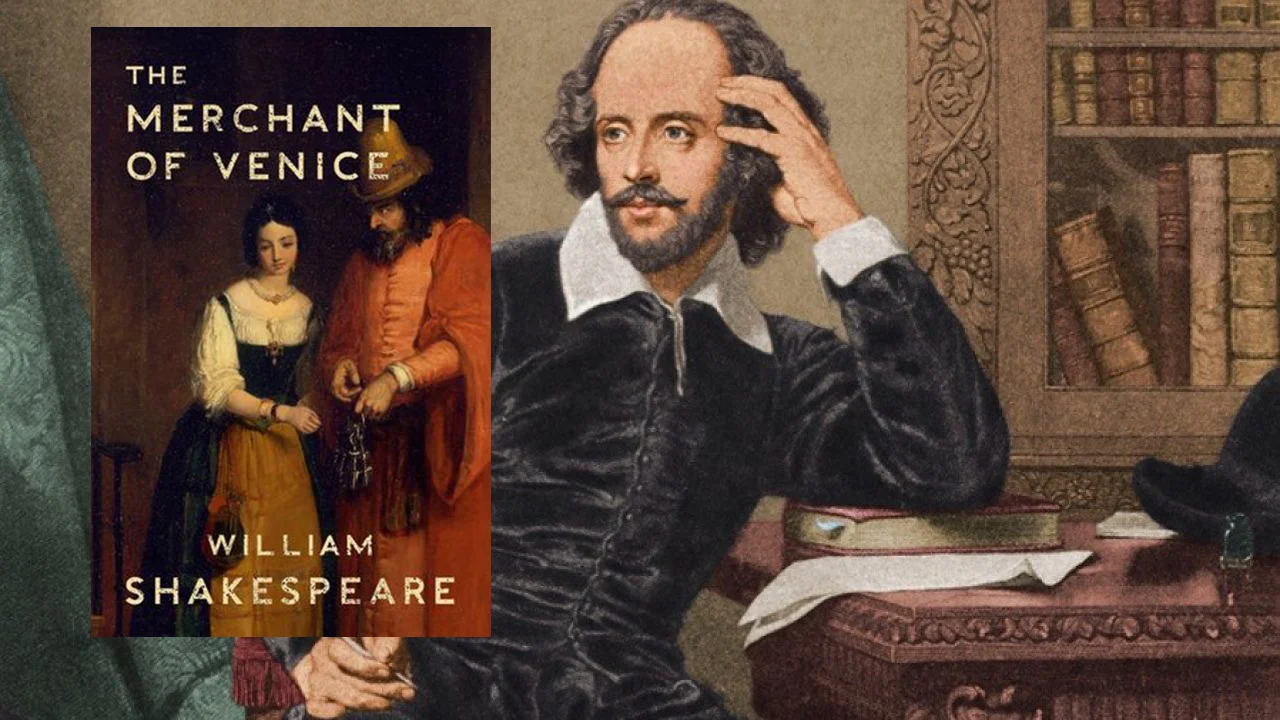
Venice is supposed to be about romance. Gondolas gliding through canals. Soft music. Stolen kisses under moonlight.
Instead, Shakespeare gives us debt, resentment, courtroom threats, and one of the most uncomfortable contracts in literary history.
A pound. Of. Flesh.
That’s where The Merchant of Venice begins to feel less like a comedy and more like a warning.
I picked this play up expecting witty banter and light romance. What I got instead was a sharp, morally tangled story about money, mercy, and how quickly justice turns cruel when resentment is allowed to grow unchecked.
What Kind of Story Is The Merchant of Venice?
This is a comedy, technically — but it’s the kind of comedy that laughs nervously while checking the fine print.
At its core, The Merchant of Venice is a play about money and power:
who controls it, who needs it, and what people are willing to risk when love and pride get involved.
Tone: Witty, tense, morally uncomfortable
Pace: Moderate, with sharp spikes of drama
Themes: Mercy vs justice, prejudice, revenge, appearance vs reality, love under pressure
This play is perfect for readers who:
-
Enjoy classics that still provoke debate
-
Like stories where moral questions don’t have easy answers
-
Appreciate sharp dialogue and courtroom drama
This play is not for readers who:
-
Want simple heroes and villains
-
Prefer light romance without moral weight
-
Expect Shakespeare to be gentle
👉 The edition I read is available here:
The Merchant of Venice – Amazon edition
A Glimpse of the Story (No Spoilers)
Antonio is a wealthy Venetian merchant — wealthy, but strangely unhappy. His fortune is tied up in ships at sea, and his emotional state is just as uncertain.
His close friend Bassanio, charming and broke, needs money to court Portia, a brilliant and wealthy woman living in Belmont. Antonio can’t lend the money directly, so they turn to Shylock, a Jewish moneylender whom Antonio openly despises.
Shylock agrees to the loan.
The price?
If Antonio fails to repay it on time, Shylock may legally take a pound of Antonio’s flesh.
Elsewhere, Portia waits as suitors attempt to win her hand by choosing between three mysterious caskets — gold, silver, and lead — each promising something different.
Love, money, risk, and resentment all move forward at once… until everything collides in a courtroom.
Why This Story Still Matters
What stayed with me after finishing this play wasn’t the romance or the jokes.
It was discomfort.
Shakespeare forces us to sit inside a moral trap:
When someone has been humiliated, excluded, and mocked long enough, what do we expect them to become?
Shylock is often discussed as a villain — and his actions are undeniably cruel. But Shakespeare doesn’t let the audience off easily. Antonio and the Christian society around him treat Shylock with open contempt. They mock his faith, sabotage his livelihood, and still expect him to show mercy when the power finally shifts.
And that’s where the play cuts deepest.
The famous courtroom speech about mercy is beautiful — but it’s delivered by people who rarely practiced mercy themselves.
Shakespeare doesn’t answer the question.
He just asks it and leaves us sitting with the consequences.
That tension — between justice, mercy, revenge, and hypocrisy — is why The Merchant of Venice refuses to feel outdated.
The Writing: Sharp, Playful, and Dangerous
This is Shakespeare in full control of language.
The wordplay sparkles. The insults sting. The romantic scenes feel theatrical and clever. And the courtroom confrontation? Still one of the most gripping legal showdowns ever written.
Portia, especially, steals the play — intelligent, composed, and ultimately more powerful than any man in the room.
And yes, that speech about mercy deserves its reputation.
👉 You can find the edition I used here:
The Merchant of Venice – Amazon paperback
My Honest Verdict
This is not a comfortable play — and it shouldn’t be.
What works:
-
Complex characters with real moral weight
-
A courtroom climax that still feels intense
-
Themes that invite discussion rather than answers
What doesn’t:
-
The play’s treatment of prejudice can be hard to read
-
Some comedic elements clash with the darker core
Still, I recommend it — not because it’s pleasant, but because it’s honest.
This isn’t a perfect play — but it’s a challenging one.
And those are the stories that last.
Who This Book Is Perfect For
You’ll enjoy The Merchant of Venice if:
-
You like classics that provoke uncomfortable questions
-
You enjoy legal drama mixed with philosophy
-
You read fiction to think, not just escape
You might struggle with it if:
-
You need clear moral comfort
-
You prefer fast, action-driven plots
-
You dislike stories that refuse to take sides
👉 If this sounds like your kind of read, here’s the edition I recommend:
The Merchant of Venice – Amazon link
Final Thoughts
The Merchant of Venice is a reminder that contracts matter, words matter, and cruelty — even when legal — leaves scars.
It asks us to look at justice not as a clean solution, but as a reflection of who holds power and why.
And centuries later, it still makes us uneasy — which might be Shakespeare’s greatest achievement.
If you’re willing to sit with that discomfort, this play is absolutely worth your time.
Optional: Best Format to Read This Play
Paperback or Kindle — ideal for pausing, rereading speeches, and reflecting on the dialogue without distraction.