 English
 French
 German
 Russian
 中文
中文

Kongi’s Harvest: A Darkly Funny Tale of Power, Pride, and the People
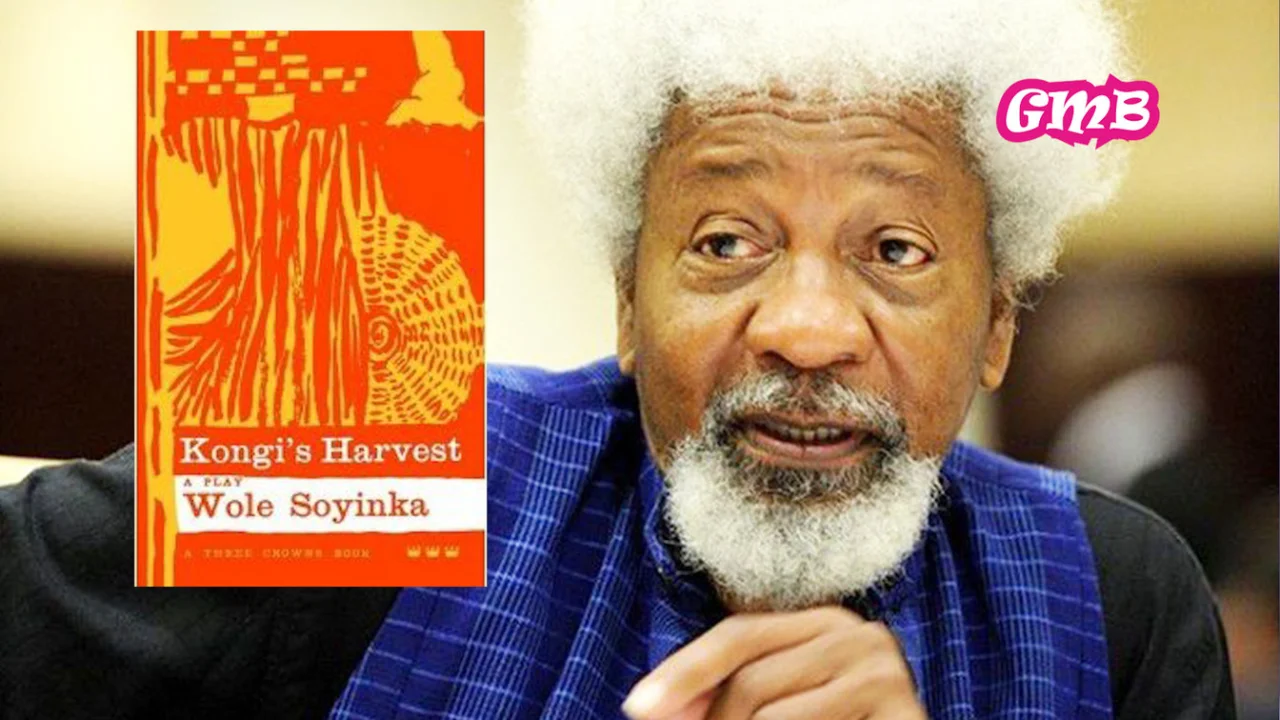
There’s a certain type of dictator who doesn’t just want to rule—they want a standing ovation while doing it. The kind who jails a king, rewrites the national anthem with their own name, and expects a ceremonial yam presented to them like a divine harvest god. Ridiculous? Hilarious? Terrifying? All of the above. Welcome to the chaotic, absurd world of Wole Soyinka’s Kongi’s Harvest—a searing political satire that exposes dictatorship in all its pomp and horror.
Before we dive into the farce and fury of Kongi’s reign, let’s rewind to how this story begins—and why it hits so hard, even decades after it was written.
A Land Under Tension: Isma’s Eve of Celebration
The play opens under a heavy, uneasy cloud. In the fictional land of Isma, the people are preparing for a national celebration—the launch of a five-year development plan. But there’s no real cheer. King Danlola, the country’s spiritual leader, sits in jail under “preventive detention”—political euphemism for locking up someone simply because they pose a threat.
The man behind this bold move? President Kongi, a self-important visionary who believes tradition should bow before progress—though by progress, he means himself. Kongi insists that the king personally hand him the New Yam during the harvest festival, a ritual that normally honors the monarchy. His message is clear: he is the center of everything, and history should be divided into Before Him (BH) and After Him (AH).
Yet, despite Kongi’s show of power, the people remain loyal to their king. Protest songs echo through the streets, and the national anthem is mocked—enough to make any dictator twitch nervously toward his handcuffs.
Behind the Curtain: The Aweris and the Machinery of Power
While the public drama unfolds, the Reformed Aweri Fraternity—Kongi’s intellectual cheerleaders—plot how to make the king kneel, metaphorically and literally, before the president. Their meetings mix bureaucracy with absurdity: bomb threats, rumors of coups, and promises of “scientific exorcisms” to remove political criminals.
The Secretary, Kongi’s right-hand man, bluntly states the goal: get the king to perform all his spiritual functions for the president. Translation: bend tradition to glorify Kongi. The Aweris, however, are insecure, greedy, and more concerned with food and personal gain than justice—a perfect mirror of the corrupting influence of unchecked power.
The Common People: Segi, Daoudu, and Quiet Defiance
Amid all this political chaos, Soyinka introduces us to Segi—a strong-willed woman with a fiery personality—and Daoudu, a hardworking farmer who refuses to join the government’s cooperative system. Daoudu’s independent farming collective thrives, boosting the economy without state intervention. This subplot quietly but powerfully undermines Kongi’s narrative that only his leadership brings progress.
Through Segi and Daoudu, Soyinka reminds us that real change comes from the people, not thrones or offices. Their defiance, courage, and humanity contrast sharply with the self-serving antics of the regime.
Greed, Rituals, and Hollow “Progress”
The Aweris obsess over food, bribes, and power while talking about “harmony.” Corruption is everywhere. Officials lure prisoners with false promises, only to betray them, and Kongi’s so-called Enlightened Ritualism replaces sacred traditions with state propaganda.
Soyinka’s genius lies in making us laugh and wince simultaneously. The absurdity of Kongi declaring himself the “Spirit of the Harvest” or rewriting history around his reign isn’t just vanity—it’s a chilling look at how dictators manipulate culture and tradition to maintain control.
The Festival and the Fall of Appearances
As the harvest festival approaches, tension reaches its peak. King Danlola is released but refuses to be humiliated, mocking the president’s spy network and asserting his own intelligence extends to the living, the dead, and the unborn. Daoudu, dressed as the Spirit of the Harvest for a people-led ceremony, delivers a fiery speech calling Kongi and his cronies “inventors of agonies” and “farmers of terror.”
The president’s cult of personality reaches ridiculous extremes: universities, bus stations, and even the national anthem glorify him. Yet behind the spectacle, the regime’s power crumbles. The Secretary and King Danlola plan an escape, showing that tyranny, no matter how elaborate, is always fragile.
The Symbolic Triumph
The play concludes with a haunting image: a human head presented on a copper salver—a grim reminder of the regime’s brutality. Kongi never receives the submission he craves, but the people’s resistance endures. Tradition, courage, and defiance survive even under the weight of tyranny.
My Thoughts: Why Kongi’s Harvest Matters
What I love about Soyinka’s play is how he exposes dictatorship through absurdity rather than dry political theory. A president demanding a yam from a jailed king is simultaneously hilarious and horrifying—a perfect metaphor for how authoritarian regimes hollow out culture to feed their ego.
The clash between Kongi and Danlola symbolizes the battle between tradition and modernity, spiritual authority and state power. But Soyinka refuses to romanticize either side. Even the monarchy is flawed, and the resistance is complicated.
Segi and Daoudu embody the heart of the story: real power lies with the people. Change is possible, but it comes from courage, defiance, and moral integrity, not titles or thrones.
About the Author: Wole Soyinka
Wole Soyinka, born in 1934, is one of Africa’s most celebrated literary figures. A playwright, poet, essayist, and the first African to win the Nobel Prize in Literature in 1986, Soyinka’s work consistently explores the abuse of power, the struggle for justice, and the collision between tradition and modernity. His own imprisonment during Nigeria’s civil war informs the authenticity and urgency of his writing.
Explore more about Soyinka and his works here: Kongi’s Harvest on Amazon.
Who Should Read Kongi’s Harvest
You’ll enjoy this play if you:
-
Love sharp, satirical takes on politics and power
-
Appreciate African literature and its cultural insights
-
Want stories that combine humor, horror, and human resilience
You might struggle with it if you:
-
Prefer straightforward, linear plots
-
Need clear heroes and villains
-
Dislike open-ended or symbolic conclusions
For a copy of the edition I read, check it out here: Kongi’s Harvest Paperback.
Final Thoughts
Kongi’s Harvest is not just a play about dictatorship—it’s a cautionary tale about the fragility of power, the endurance of the human spirit, and the absurdity that often accompanies tyranny. Kongi may control the anthem, the yam, and the calendar, but he can’t control courage, creativity, or conscience.
Even decades later, Soyinka’s satire feels relevant, reminding us that while dictators can demand submission, they cannot extinguish the indomitable spirit of the people. If you want a political drama that’s equal parts biting, funny, and profound, Kongi’s Harvest deserves a spot on your bookshelf.
Grab your copy here: Kongi’s Harvest on Amazon.