 English
 French
 German
 Russian
 中文
中文

The Stories That Refuse to Stay Buried
There was a moment while reading this book when I had to stop—not because the writing was difficult, but because the truth was.
You start off thinking you’re reading history. Something distant. Something already concluded. But then a voice breaks through—a poem written in a prison cell, a speech smuggled past guards—and suddenly it doesn’t feel like the past anymore. It feels current. Uncomfortably so.
I went in expecting stories about colonial oppression. What I didn’t expect was to confront something deeper… something more unsettling: the realization that the machinery of oppression doesn’t disappear—it just changes hands.
And that’s where this book quietly unsettles you. Not loudly. Not dramatically. Just enough to make you sit with yourself a little longer than you planned.
What Kind of Book Is This?
This is a political, reflective, and deeply human anthology about power, imprisonment, and survival.
-
Tone: Dark, reflective, quietly disturbing
-
Pace: Moderate (but emotionally heavy)
-
Themes: Power, corruption, resistance, identity, memory, survival
This book is for readers who:
-
Want literature that forces uncomfortable reflection
-
Are interested in African history beyond simplified narratives
This book is NOT for readers who:
-
Want light, escapist reading
-
Prefer clear moral binaries and easy conclusions
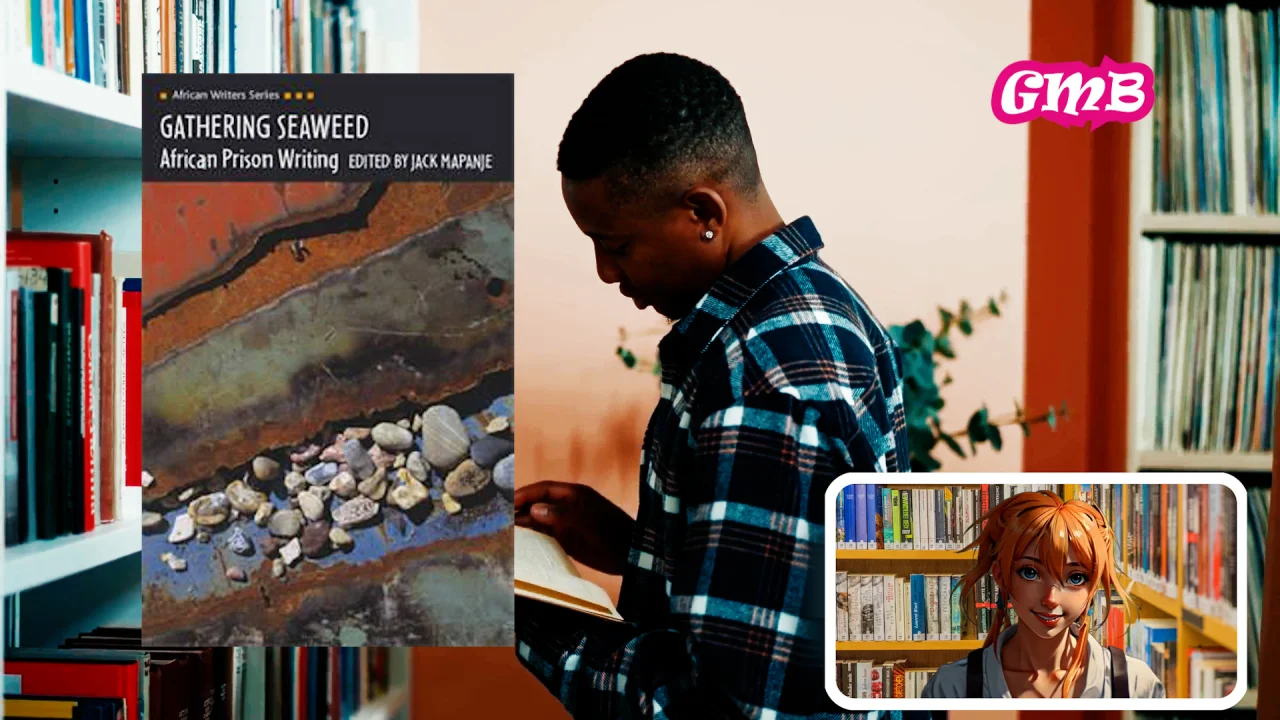
👉 The edition I read is available here:
(Gathering Seaweed: African Prison Writing)
Why This Story Matters (Emotional Core)
What stayed with me after finishing this book wasn’t any single story—it was a pattern.
Again and again, you see the same cycle: power is gained, power is challenged, and power responds by silencing. It doesn’t matter who holds it—colonial rulers or post-independence leaders. The behavior echoes across time.
That’s what makes this anthology feel less like history and more like a mirror.
There’s a quiet but devastating idea running through these pages: oppression is not foreign. It’s human. And that makes it harder to dismiss, harder to distance yourself from.
The book also raises a question it never fully answers:
What does freedom actually mean if the structures of control remain untouched?
Some of the very people who once suffered imprisonment later became leaders who imprisoned others. Not all—but enough to make you pause.
And yet, despite all this, the book isn’t hopeless.
Because every piece—every poem, every essay, every testimony—is an act of defiance. Writing becomes survival. Memory becomes resistance. These voices refuse to disappear, even when the systems around them try to erase them.
A Glimpse of the Story (Minimal, No Spoilers)
This isn’t a single story, but a collection of voices drawn from across Africa.
It captures:
-
The rise of political resistance
-
The experience of arrest, detention, and torture
-
The struggle to survive both physically and mentally
-
And the complicated reality of release and “freedom”
At its core, it presents a moral dilemma:
What happens when those who once fought oppression begin to resemble it?
Who This Book Is Perfect For
You’ll enjoy this novel if:
-
You like books that challenge your understanding of power and justice
-
You enjoy layered, thought-provoking writing
-
You read fiction and nonfiction to reflect, not just escape
You might struggle with this book if:
-
You prefer fast-paced, plot-driven narratives
-
You need clear heroes and villains
-
You dislike emotionally heavy material
👉 If this sounds like your kind of book, you can get it here:
(the same edition of Gathering Seaweed: African Prison Writing)
Analysis & Review
What makes this anthology powerful is its range of voices.
You move from the speeches of political leaders to the fragile, intimate poetry of prisoners. From structured reflections to raw, almost unbearable testimonies. That contrast gives the book a kind of emotional depth that a single narrative couldn’t achieve.
One of its greatest strengths is its refusal to simplify history. It doesn’t allow you to settle into the comfortable idea that oppression ended with independence. Instead, it shows continuity—the same prisons, the same silencing, just under new management.
That’s where Jack Mapanje’s editorial work shines. The structure—moving from origins to imprisonment to release—feels intentional. It’s not just documentation; it’s an argument.
But the book isn’t perfect.
At times, the sheer weight of its content can feel overwhelming. There’s no easy rhythm to follow, no narrative thread to hold onto. You have to do emotional work as a reader. You have to sit with discomfort.
And yet… that might be exactly the point.
Because this isn’t a book meant to entertain you. It’s meant to confront you.
Conclusion & Recommendation
This isn’t a comfortable book—but it’s an important one.
If you’re looking for something light, something to pass the time, this isn’t it. But if you’re willing to engage with something deeper—something that challenges how you think about history, power, and human nature—then this anthology offers a rare kind of reading experience.
It reminds you that freedom is fragile. That power can corrupt in familiar ways. And that stories—especially the ones written in silence—have a way of outliving the systems that tried to suppress them.
In the end, this isn’t just a collection of prison writings.
It’s a collection of voices that refused to disappear.
👉 If you’d like to read the same edition I did, here’s the link:
(Gathering Seaweed: African Prison Writing)