 English
 French
 German
 Russian
 中文
中文

Atonement by Ian McEwan: When Imagination Turns Deadly
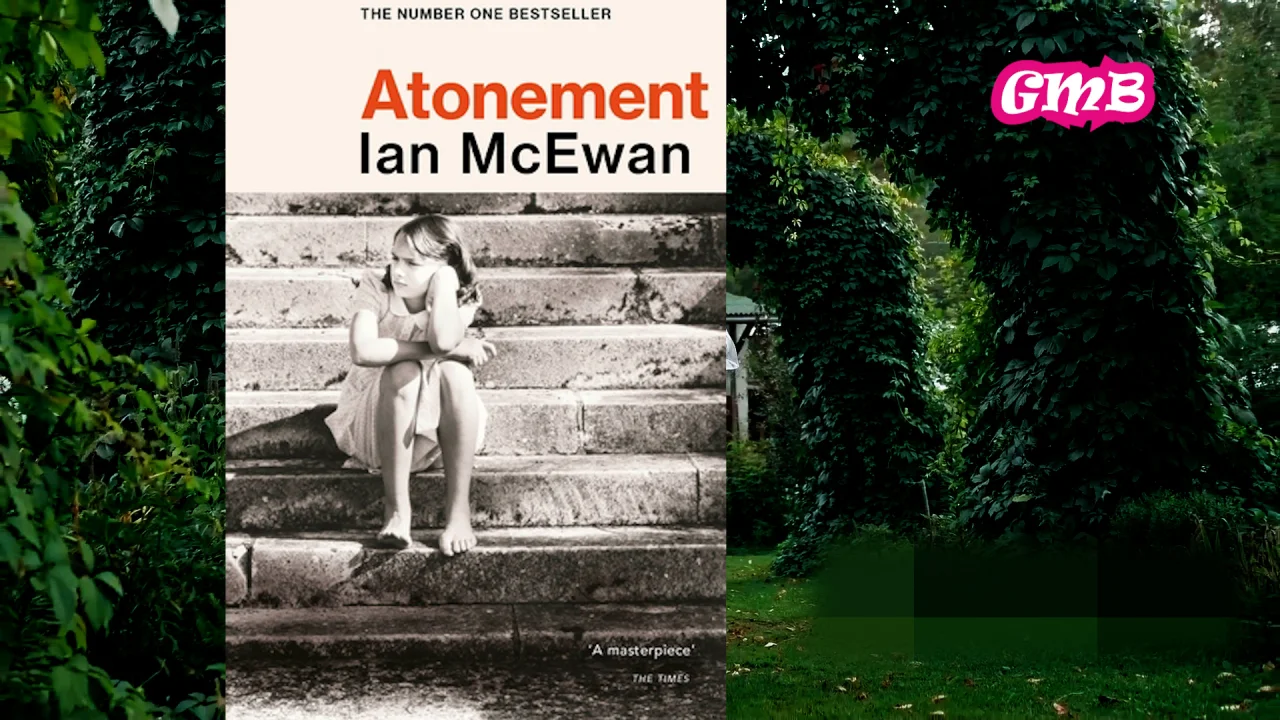
Picture a hot summer in England: perfectly trimmed lawns, a grand estate, and a social class system so rigid it could snap at the slightest pressure. Into this world steps 13-year-old Briony Tallis, armed with an overactive imagination and a talent for misreading everything around her. What follows is a story that is heartbreakingly romantic, frustratingly human, and devastating in its consequences.
Today, we’re diving into Atonement by Ian McEwan, a novel that asks: what happens when a young mind convinces itself it knows the truth—when, in reality, it doesn’t? And trust me, the answer is catastrophic.
👉 You can check out the edition I read here on Amazon.
The Story Begins: Pre-War England and Social Divides
The Tallis estate is the perfect setting for McEwan’s exploration of class, desire, and misunderstanding. At its center are Cecilia Tallis, her precocious younger sister Briony, and Robbie Turner, the housekeeper’s son who, thanks to the Tallis family’s wealth, has been given the rare gift of education. Robbie is brilliant, respectful, and painfully aware of his place in the social hierarchy—yet his intelligence makes him a target of both admiration and envy.
Cecilia, fiery and independent, is both drawn to and frustrated by Robbie’s careful restraint. Their tension simmers quietly—until a broken vase, a fountain, and a series of misinterpretations set a chain reaction in motion.
Misunderstandings, Love Letters, and Disaster
One pivotal summer afternoon changes everything. Briony witnesses a private moment between Cecilia and Robbie, misinterprets it, and constructs a story in her mind that paints Robbie as a villain. A love letter gone astray adds fuel to the fire. What begins as a childhood misunderstanding escalates into a life-altering accusation that devastates Robbie’s future.
By the time the Tallis family is embroiled in chaos, Briony’s youthful certainty has irreparably damaged not only Robbie’s life but the relationships she once took for granted. McEwan masterfully shows how a single misperception, amplified by innocence and imagination, can ripple outward with tragic consequences.
Part Two: War, Survival, and the Burden of Guilt
The narrative shifts as Robbie faces the horrors of World War II, physically and emotionally scarred, clinging to the hope of reuniting with Cecilia. McEwan’s depiction of war is both haunting and intimate, immersing the reader in the visceral fear and small triumphs of survival.
Meanwhile, Briony grows into adulthood, carrying the weight of her past actions. Her journey becomes one of reflection, storytelling, and the desperate search for redemption. Through writing, Briony attempts to make sense of her choices, illustrating the power of narrative to both heal and harm.
Themes and Analysis: Love, Guilt, and Storytelling
Atonement is more than a love story. It’s a meditation on childhood innocence, class tensions, and the irreversibility of mistakes. McEwan explores how perspective shapes reality—how one person’s “truth” can destroy another’s life.
Strengths:
-
Masterful Characterization: Robbie, Cecilia, and Briony feel real and complex. You will root for Robbie, empathize with Cecilia, and yet feel exasperated by Briony at every turn.
-
Stunning Prose: McEwan’s descriptive powers make settings, emotions, and even the horrors of war vividly tangible.
-
Thematic Depth: The novel examines guilt, redemption, and the ethical responsibilities of storytelling.
Weaknesses:
-
Some readers may find the pacing slow in the early chapters as McEwan builds the intricate social and psychological landscape.
-
Briony’s perspective can be frustrating, but that frustration is precisely the point.
Ultimately, the novel leaves you contemplating how far imagination can stretch before it becomes dangerous, and whether true atonement is ever possible.
About the Author: Ian McEwan
Ian McEwan is renowned for his surgical precision in dissecting human emotions. If you’ve read On Chesil Beach, you’ll recognize his fascination with how minor misunderstandings or unspoken words can alter the course of a life. In Atonement, McEwan magnifies that idea across decades, crafting a narrative that is both intimate and epic.
Who Should Read This Book
You’ll enjoy Atonement if you like:
-
Stories that explore love, guilt, and human imperfection
-
Slow-building tension and detailed character studies
-
Books that make you reflect on the consequences of perspective and action
You might struggle with it if you prefer:
-
Fast-paced plots
-
Clear heroes and villains
-
Unambiguous endings
👉 Get your copy of Atonement here on Amazon and dive into one of modern literature’s most emotionally gripping novels.
Final Thoughts
Atonement is a masterclass in storytelling—a novel where imagination, guilt, and love collide with life-altering consequences. McEwan shows us the power of narrative to shape reality, the dangers of unchecked assumptions, and the haunting cost of mistakes.
It’s heartbreaking, frustrating, and utterly unforgettable. Prepare to sympathize, to yell at Briony, and to linger on the consequences of one child’s misinterpretation long after the final page.
Whether you’re a fan of literary fiction, historical drama, or emotionally charged narratives, Atonement is a book that demands to be read—and reread.