 English
 French
 German
 Russian
 中文
中文

Discovering Africa’s Literary Voices: A Review of African Roar 2013
You walk into a literary gathering, and someone confidently declares, “Every book has something to offer.” Your first reaction might be an eye-roll. Participation trophies for literature? Really? But what if this philosophy is actually true? What if approaching books without prejudice—without comparing them to your favorite novel or imposing expectations like a literary dictator—actually leads you to hidden gems?
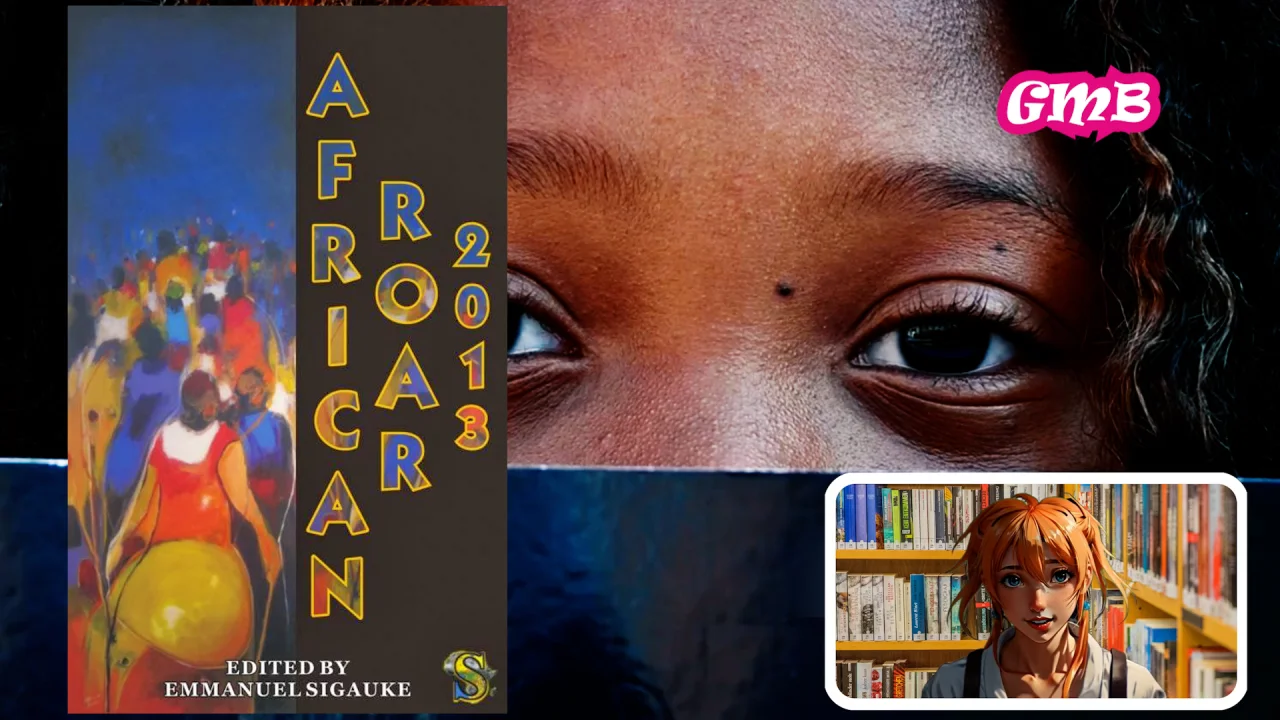
This idea comes alive in African Roar 2013, a vibrant anthology that puts the theory to the test. Thirteen short stories from across seven African countries come together to tackle everything from identity crises in New York to supernatural puppeteers compelling people to commit murder. Yes, you read that correctly. But before we dive into the specifics, let’s explore the journeys these stories take us on.
A Glimpse into the Stories
Home by Alison Erlwanger opens the collection with a modern relationship dilemma that’s both hilarious and painfully relatable. Fungisai struggles to explain her African heritage to a boyfriend trapped in a romanticized notion of what an “authentic” African woman should be. Her Nigerian partner, Neville, pines for his ex-fiancée back in Nigeria, convinced she embodies some ideal of African womanhood. The story’s real brilliance lies in Fungisai’s profound reflection: “Africa, it is an ideology.” It’s a story about identity, belonging, and the meaning of home when continents and cultures collide.
In South Africa, Jayne Bauling’s Business as Usual follows hawkers and traders navigating urban survival in an indifferent city. Through understated narration, the story captures invisible poverty and societal neglect. The post office at its center becomes a symbol of obsolescence: just as technology makes it irrelevant, the people it touches are rendered invisible.
Economic pressures take center stage in Salvation in Odd Places by Aba Amissah Asibon. Hassan, a young man in northern Ghana, faces the impossible choice of leaving his family to seek work or staying and risking financial ruin. The story is a poignant meditation on economic migration, the collapse of traditional roles, and the hard decisions forced on ordinary people.
Abdulghani Sheikh Hassan’s The Faces of Fate explores the tension between youthful ambition and life’s unpredictability. Told in second-person, it follows Samira as she navigates career setbacks and systemic corruption, offering readers a sobering reminder that life rarely follows our teenage blueprints.
In a darker turn, Dipita Kwa’s In Bramble Bushes presents Yandes Seka Ebindi, a man whose pursuit of wealth and respect leads him down a path of self-destruction. The story culminates in a haunting reckoning where past sins return with devastating consequences—a stark exploration of ambition devoid of morality.
Barbara Mhangami-Ruwende’s Transitions documents post-independence Zimbabwe, where formerly whites-only neighborhoods undergo profound social and infrastructural change. Through Portia’s life, the story raises complex questions about self-rule, urban decay, and societal transformation, though some interpretations of responsibility remain troubling.
The anthology also embraces the supernatural in Dilman Dila’s The Puppets of Maramudhu, where a hypnotic puppeteer manipulates people into murder. Dila boldly incorporates traditional African beliefs, a rare move in contemporary literary anthologies striving for Western recognition.
Other stories, like Andiswa Maqutu’s A Yoke for Companionship and Brian Bwesigye’s Through the Same Gate, explore family dynamics, while A.B. Doh’s The Spaces in-between examines cross-cultural African romance. Remaining tales touch on healthcare, interracial relationships, and domestic struggles, often experimenting with narrative form to highlight social realities.
About the Collection: African Roar 2013
Published by StoryTime, African Roar 2013 is the fourth edition of an annual anthology featuring thirteen authors from Kenya, Ghana, Uganda, Zambia, Zimbabwe, Cameroon, Nigeria, and South Africa. Spanning 170 pages, it showcases emerging writers and offers a snapshot of contemporary African literary voices.
You can check it out here: African Roar 2013 on Amazon.
Analysis and Thoughts
What Makes This Collection Shine
-
Geographical Diversity: From Southern to West Africa, the anthology presents a rich variety of perspectives and experiences.
-
Thematic Range: Identity, economic migration, family dynamics, post-independence transitions, and supernatural folklore are all explored with nuance.
-
Platform for Emerging Writers: Many contributors are early-career authors, making the anthology a vital launching pad for African literary talent.
-
Narrative Innovation: Second-person storytelling, radio call-ins, and shifting perspectives showcase experimental forms alongside thematic depth.
Areas for Improvement
-
Linguistic Limitations: The anthology is limited to Anglophone countries, leaving Francophone, Lusophone, and Arab-speaking regions underrepresented.
-
Uneven Quality: Some stories suffer from repetitive or predictable structures, and a few, like Transitions, raise questions without fully exploring them.
Cultural Significance
The collection’s willingness to embrace supernatural elements and grapple with questions of African identity reflects both authenticity and courage. Stories like Home and The Puppets of Maramudhu preserve oral traditions, explore evolving cultural definitions, and confront modern social realities.
Who Should Read African Roar 2013
You’ll enjoy this anthology if:
-
You want nuanced, contemporary perspectives on African life.
-
You enjoy experimental storytelling and diverse voices.
-
You read fiction to think and reflect, not just escape.
You might struggle with this book if:
-
You prefer fast-paced plots and clear heroes/villains.
-
You need fully polished or uniform story quality.
For the edition I reviewed, you can find it here: African Roar 2013 Paperback.
Final Verdict
African Roar 2013 isn’t perfect—but it’s ambitious, authentic, and necessary. It captures contemporary African life in all its complexity, offering stories that range from gritty realism to the supernatural. While not every story hits the mark, the anthology’s diversity of voices and commitment to showcasing emerging writers outweigh its weaknesses.
Approach this book without expectation, and you’ll discover the richness of African storytelling: its humor, heartbreak, and unflinching honesty. This is more than a collection of short stories—it’s a window into a continent’s literary heartbeat.
If you’re ready to explore Africa beyond stereotypes and hear voices that often go unheard, this anthology is a must-read.
Grab your copy here on Amazon.