 English
 French
 German
 Russian
 中文
中文

This Book Doesn’t Ask You to Read It — It Asks You to Listen
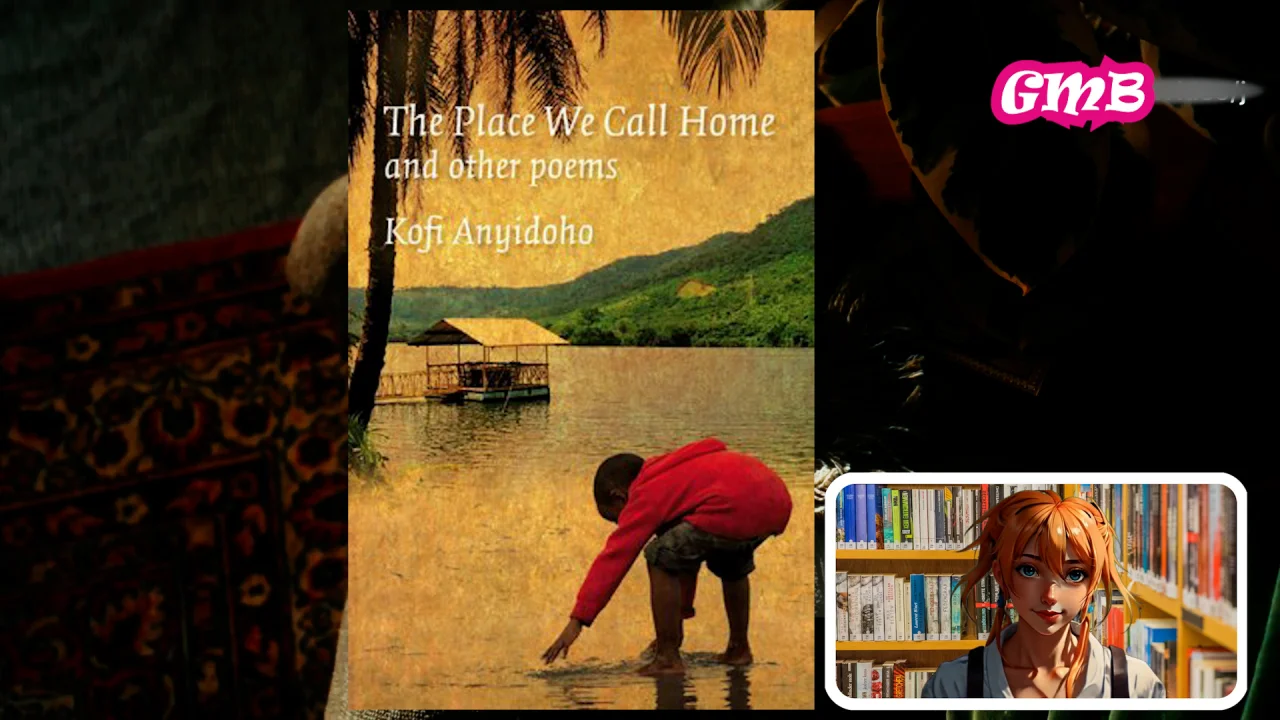
There was a moment, somewhere in the middle of this collection, where I stopped reading.
Not because I was bored — but because the words felt like they were no longer meant for my eyes.
They were meant for my ears.
For my chest.
For something older than language itself.
And that’s when it hit me: reviewing this book would be like trying to fold a fitted sheet. You think you’ve got it under control, and then suddenly — one corner slips away. But with The Place We Call Home and Other Poems, that chaos becomes something else entirely.
It becomes music.
What Kind of Book Is This?
This is a poetry collection about memory, war, ancestry, exile, and the quiet pull of home.
Tone: Reflective, mournful, occasionally fiery
Pace: Fluid — like music, not linear
Themes: Identity, loss, heritage, mortality, hope
This book is for readers who:
-
Feel drawn to poetry that sounds like spoken word or oral storytelling
-
Want literature that connects the past, present, and spirit world
This book is NOT for readers who:
-
Prefer straightforward, easily digestible poetry
-
Need rigid structure or clear-cut interpretations
👉 The edition I read is available here:
https://amzn.to/3KHJN2K
A Journey in Three Movements
What makes this collection stand out immediately is its structure.
Not “parts.” Not “sections.”
Movements.
Like a symphony.
Movement One: Homage
This section feels like sitting beside an elder at sunset — someone who has lived long enough to speak softly but carry weight in every word.
The poems here remember.
Not just personal memories, but ancestral memory. There’s a deep sense that the speaker is never alone — that every step forward echoes with footsteps behind him. In poems like The Place We Call Home, “home” is not geography.
It’s inheritance.
It’s spirit.
Movement Two: CountDown to GroundZero
Then the tone shifts.
Sharply.
This section is angry. Not chaotic anger — but controlled, piercing, observant rage. The kind that comes from watching history repeat itself and realizing no one is learning.
War becomes the central obsession here.
But instead of politics or strategy, the focus is painfully human:
a dying son, a grieving mother, a soldier turned “hero” at the cost of his soul.
The poems don’t offer answers.
They ask: Why do we keep doing this?
And worse — why do we celebrate it?
Movement Three: QuietTime
And then… stillness.
This final movement doesn’t feel like an ending. It feels like a return.
Here, the poems meditate on death, rest, and the slow fading of presence. But there’s no fear in it. No panic. Just acceptance.
A quiet understanding that life moves in circles.
You begin.
You remember.
You struggle.
And eventually… you return.
Why This Book Stays With You
What stayed with me wasn’t a single poem.
It was a feeling.
A kind of longing that never fully explains itself.
This collection is constantly reaching — not backward in nostalgia, and not forward in hope — but inward, toward something essential. Something rooted. Something that feels like truth before language gets involved.
And maybe that’s what makes it feel so relevant now.
We live in a time where everything is loud, fast, and constantly demanding attention. But this book doesn’t demand.
It calls.
Quietly.
Persistently.
It asks questions it never answers:
-
What does it mean to belong?
-
What do we owe the past?
-
Can we ever truly return “home”?
And the more you sit with it, the more you realize — it’s not trying to resolve those questions.
It’s trying to keep them alive.
A Glimpse of the Story (Without Spoilers)
There’s no single narrative here — but there is a clear emotional arc.
A voice reflects on origins and ancestry.
That same voice confronts a world shaped by war and destruction.
And finally, it turns inward — toward mortality, rest, and acceptance.
At its core, this is a meditation on one central tension:
How do you carry the weight of history… and still find peace?
What Makes This Collection Unique
One word: Voice.
Kofi Anyidoho doesn’t just write poetry — he performs it on the page.
His style is unconventional:
-
He capitalizes compound words like CrossRoads and DawnDreams
-
He uses spacing and breaks that feel like breath patterns
-
His poems read like they are meant to be spoken aloud
And that’s because they are.
Some editions of this collection even come with audio recordings of the poet himself, and that’s when everything clicks. The rhythm, the pauses, the emotional weight — it all lands differently when heard.
Even when he weaves in his native Ewe language, you don’t feel lost.
You feel carried.
Who This Book Is Perfect For
You’ll enjoy this book if:
-
You like poetry that feels alive, almost musical
-
You enjoy African literature rooted in oral tradition
-
You read not just to understand — but to feel
You might struggle with this book if:
-
You prefer fast, plot-driven reading
-
You want clear meanings handed to you
-
You’re uncomfortable with ambiguity
👉 If this sounds like your kind of book, you can get it here:
https://amzn.to/3KHJN2K
My Honest Verdict
This isn’t an easy collection.
And it’s not trying to be.
Some poems demand patience. Some stylistic choices can feel disorienting at first. And if you’re used to more “structured” poetry, this might take time to adjust to.
But here’s the thing:
This isn’t a perfect book — but it’s an honest one.
And that honesty shows in every line, every pause, every shift in tone.
It doesn’t perform for the reader.
It invites you into something deeper.
Final Thoughts & Recommendation
I started this book expecting poetry.
I left feeling like I had attended a ceremony.
Something about The Place We Call Home and Other Poems doesn’t just stay on the page. It lingers. It echoes. It asks you to come back — not for answers, but for presence.
If you’re the kind of reader who doesn’t mind slowing down…
who doesn’t need everything explained…
who is willing to sit with discomfort, beauty, and silence…
Then this book will meet you there.
👉 If you’d like to read the same edition I did, here’s the link:
https://amzn.to/3KHJN2K
Similar Books You Might Like
-
Songs of Sorrow, Songs of Strength by Kofi Anyidoho
-
The Promise of Hope by Kofi Anyidoho
Best Format to Read This Book
Audiobook / Audio Edition (if available) — the poetry truly comes alive when heard in the poet’s own voice.